Where Tracks Earn Their Keep in a Real Pool
A wheel meets the pool at a small patch. A track lays down a strip of rubber and keeps most of it in contact as the surface changes angle. These are the places it shows.
- The slope to the deep end. A robot has to drive up it as well as down. Tracks keep pulling where a wheel can spin.
- Main drain covers and fittings. A raised cover can lift a wheel clear of the floor. A track bridges it.
- Fiberglass, tile and algae film. Slick surfaces offer little to push against, so contact area counts for more.
Choose by Pool, Not by Track
Since the drive is common to all five, run these checks in order and stop at the first robot that passes them all.
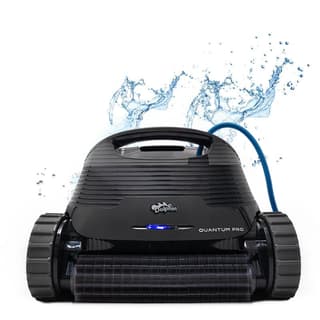
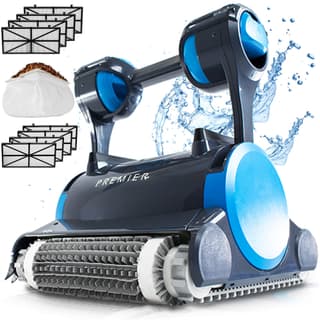
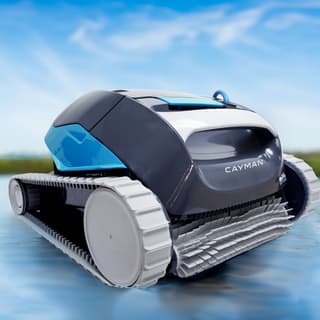
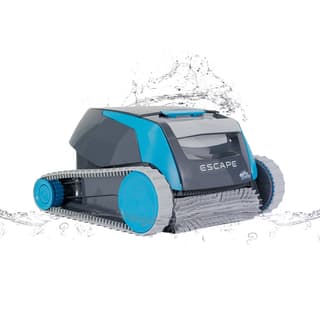
- Pool type. For a pool that stands above the ground, look at the Cayman or the Escape. The other three picks are in-ground robots.
- Length. Measure the longest straight run. Up to 33 ft, the two smaller robots qualify. Beyond that you need one rated to 50 ft.
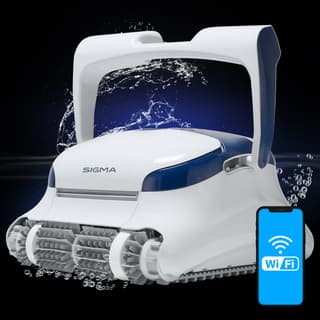
- Waterline. If you want the tile line scrubbed, choose the Quantum, the Premier or the Sigma.
- Ledges and stairs. The Quantum alone lists them among the surfaces it cleans.
- Cable. Check the run from the power supply to the far end of the pool against 40, 50 or 55 ft.
Looking After the Tracks
Tracks are wear parts. Over years of use they stretch and the tread wears smooth, and a robot that once climbed easily begins to slip or stall on the wall. They are replaceable, so worn tracks are a maintenance job, not a reason to replace the robot.
Day to day, the enemies are grit and hair. Sand trapped under a track grinds the rubber, and hair wound around the drive adds drag. Rinse the tracks when you rinse the filter and look for anything wedged in them. Store the robot out of direct sun, which is hard on rubber.
Getting the Best From a Tracked Robot
- After each use, rinse the tracks with fresh water and pick out pebbles, twigs or acorn caps lodged in the tread.
- If the robot starts slipping on walls, check the filter first. A clogged filter cuts the water flow that helps hold it against the wall.
- Brush algae film off the walls by hand before blaming the tracks. No rubber grips well on slime.
- Let the robot sink and settle flat on the floor before starting a cycle, so both tracks are in contact from the first move.