Bottom line: walls add a separate cleaning requirement
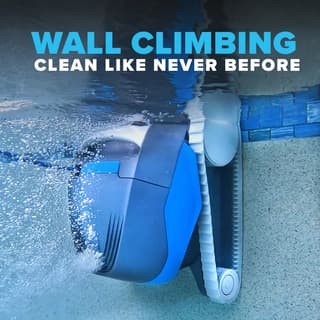
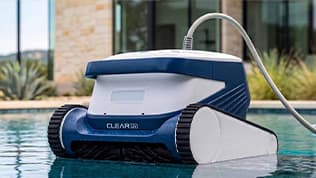
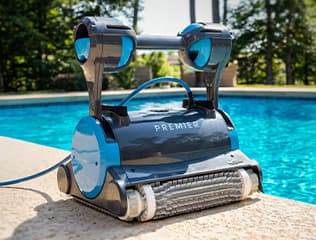
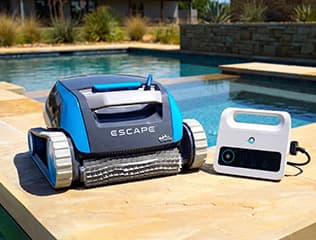
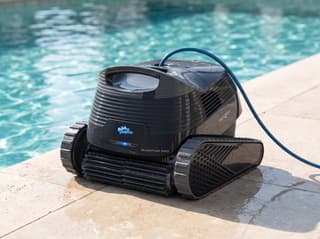
A wall-climbing cleaner uses traction and water flow to move onto vertical surfaces while its brushes agitate film and settled material. This can reduce manual brushing and help with early algae residue, but chemistry—not the robot—controls active algae.
Wall height and waterline coverage are different
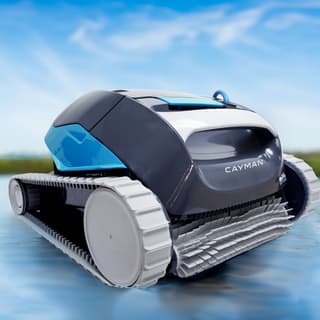
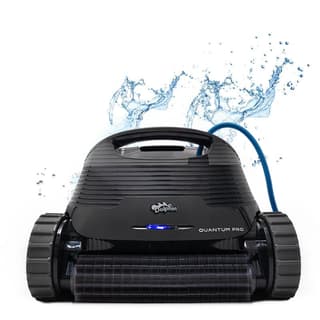
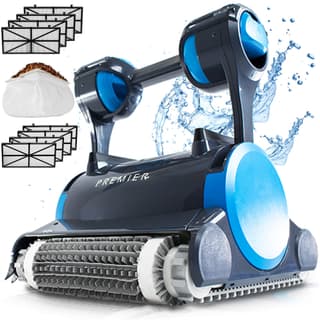
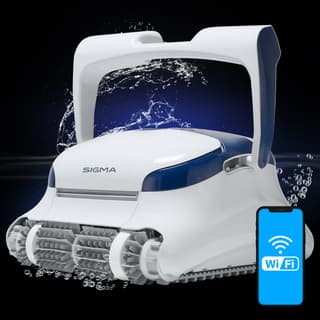
Current Cayman listings may describe floor-and-wall cleaning, while selected Quantum, Premier, and Sigma listings may describe travel to the waterline. A wall-climbing label does not guarantee waterline movement. Verify the exact cleaning zones in the current listing and manual.
Surface and geometry affect traction
Fiberglass, tile, and vinyl present different traction and brush requirements. Product names, track names, and feature labels do not guarantee compatibility. Make sure the cleaner and brush are approved for the finish and can handle the floor-to-wall transition, curves, drains, benches, and ledges.
Who Can Skip It
A simple above-ground pool may be adequately served by a floor-focused model if its walls are not intended for robotic cleaning. For deeper pools, use the deep-pools guide to compare dimensions and cable reach rather than assuming wall climbing is automatically required.
Keep the filter clear and inspect brushes or tracks when climbing declines; reduced flow or worn traction parts can change wall performance.