The Short Answer
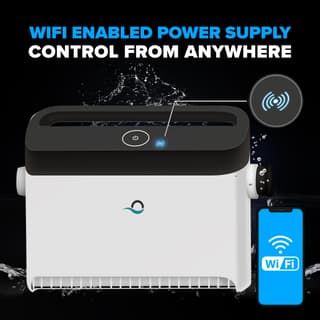
Depth matters because it adds cable route and surface transitions, not because gallons alone demand a more powerful robot. Measure from the compliant power-supply area to the farthest deep-end floor. Then make sure that the exact model is documented for the pool length, depth conditions, and wall coverage you need.
Map the Three-Dimensional Route
A pool that is 40 feet at the waterline requires more than 40 feet of travel to descend a slope and reach the deep floor. Freeform curves, diving wells, benches, and an offset supply location can add more. Do not substitute total cable length for usable pool reach; some cable remains outside the water under the model's safety instructions.
Check Transitions, Not Just Climbing Claims
Wall performance can depend on the floor-to-wall angle, surface condition, obstacles, and whether the model is intended to reach the waterline. A wall-climbing feature does not guarantee every cleaner will cross every transition. Observe the slope, walls, main drain area, and deep-end corners during early cycles.
Deep-Pool Maintenance Checks
- Brush repeat pockets toward a reachable path instead of assuming another cycle will find them.
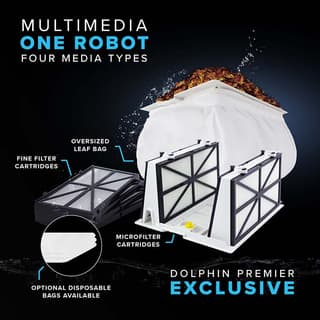
- Use approved fine media when settled sand or grit passes through the standard filter.
- Empty and rinse the filter so reduced flow does not become a false diagnosis of poor deep-end pickup.
- Match brushes and handling guidance to the actual finish; the gunite guide covers one common surface case.