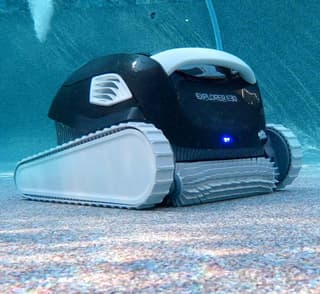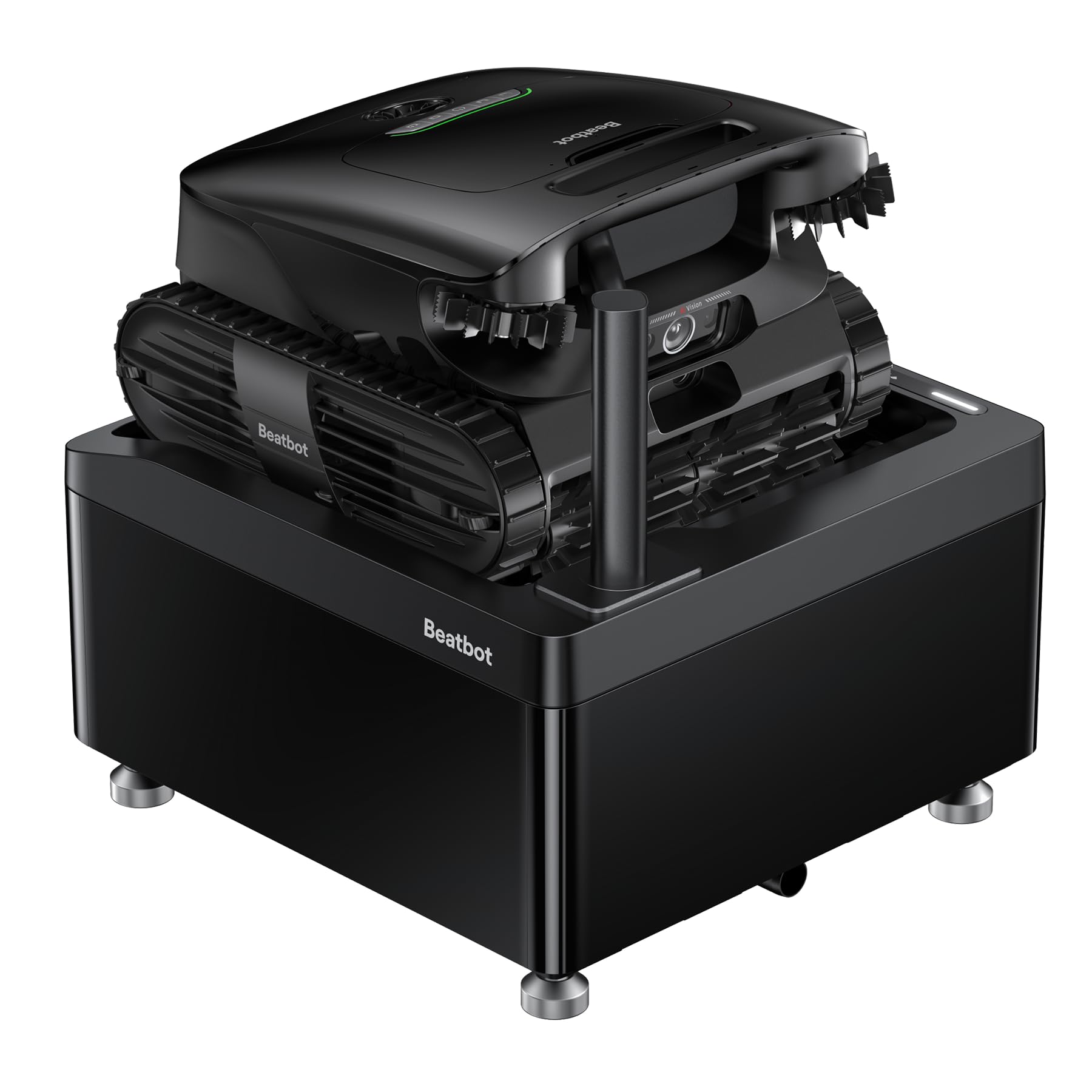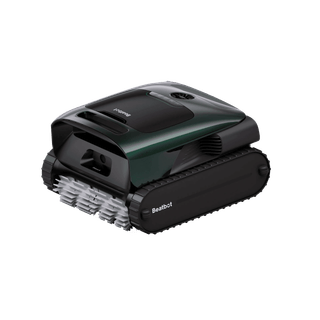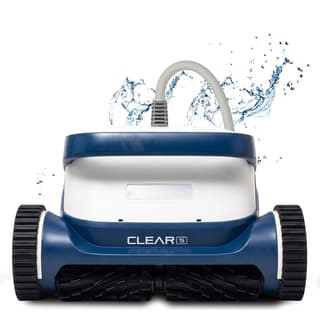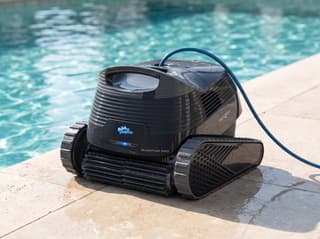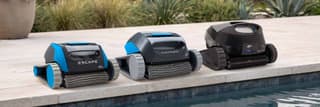
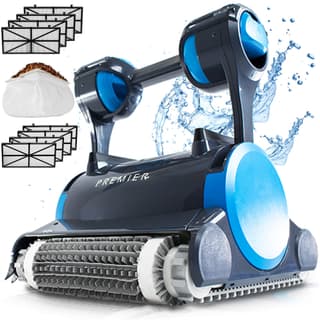
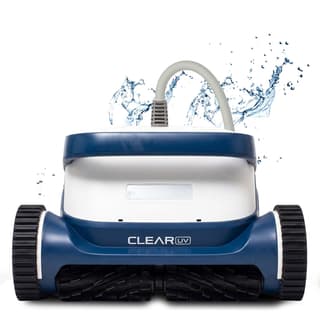
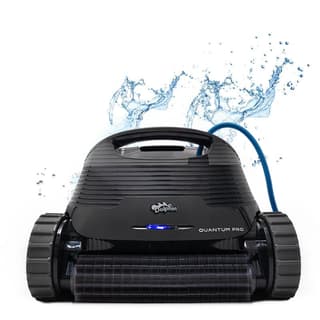
Bottom line: premium should solve a specific constraint
A higher current price may buy additional cleaning zones, filter choices, navigation, or app control, but it does not make every model a better fit. This page uses live catalog pricing and includes a product only while it meets the configured premium threshold and matching rules.
Compare capabilities, not rankings
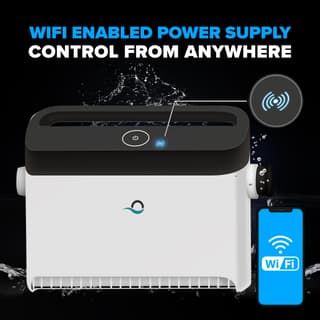
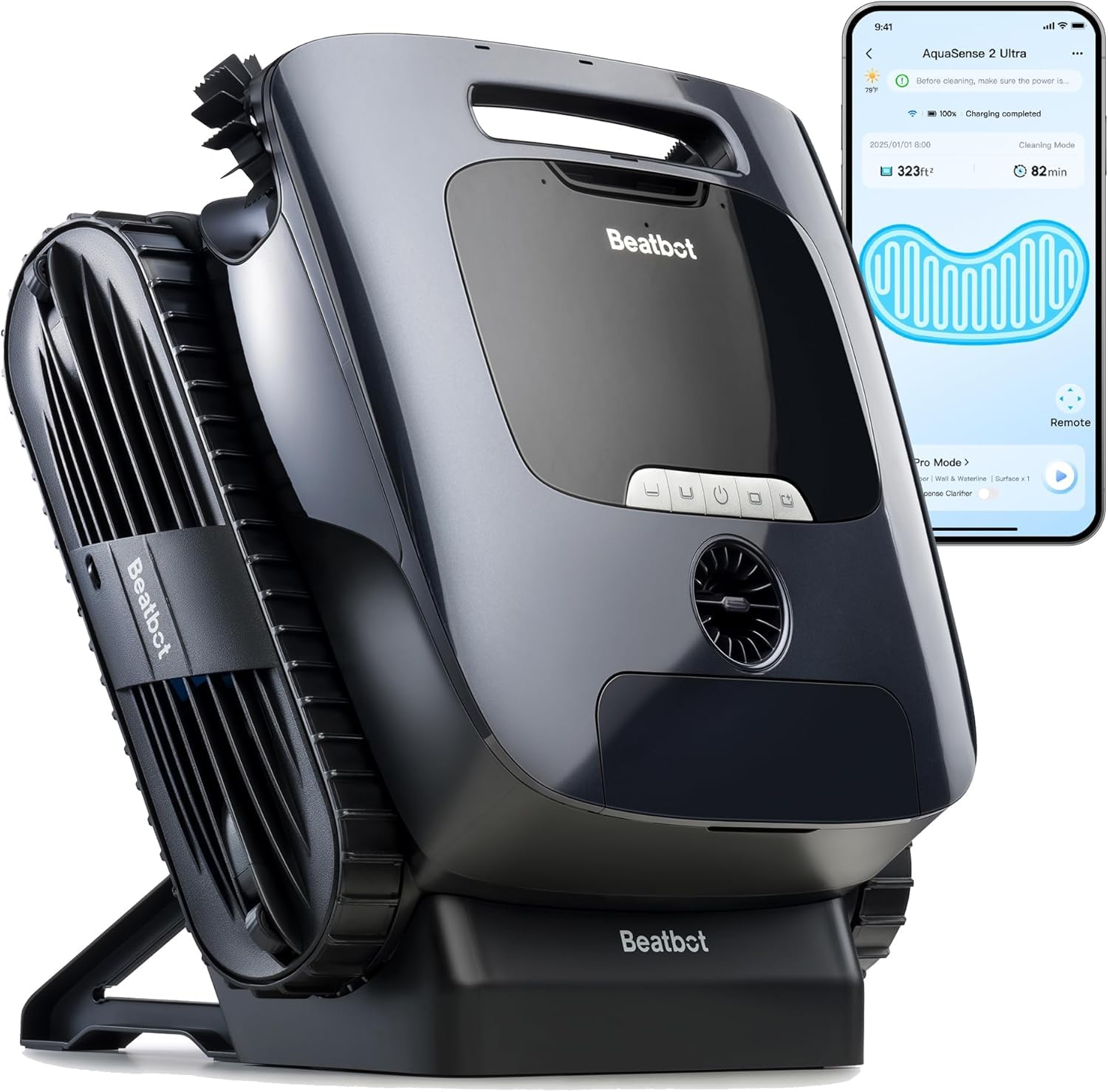
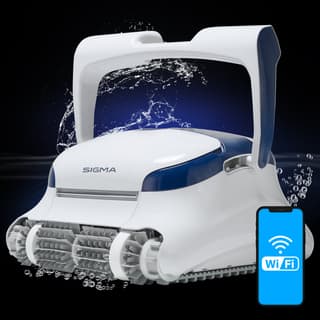
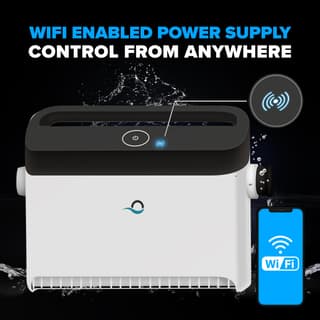
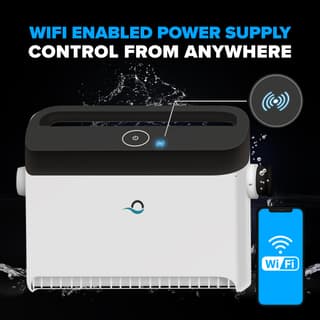
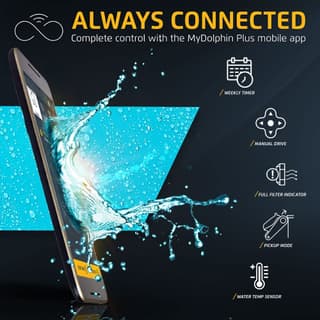
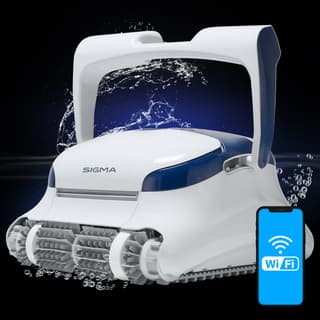
- Connected operation: verify which scheduling, steering, status, retrieval, or gyroscope-assisted navigation functions the current model supports.
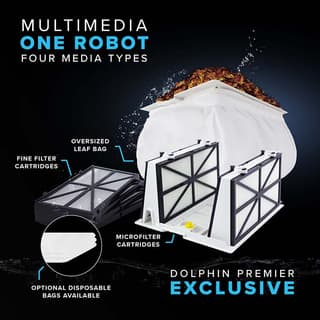
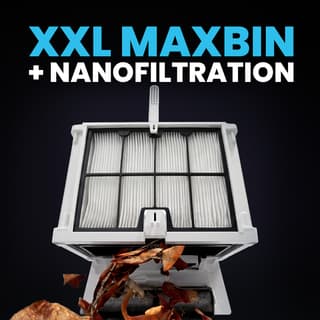
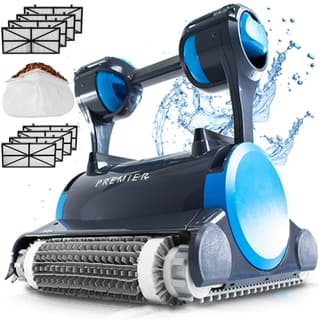
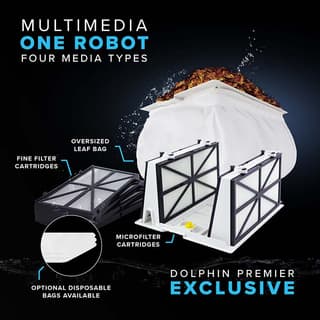
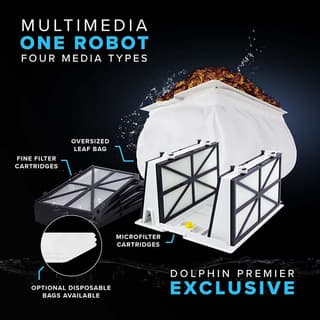
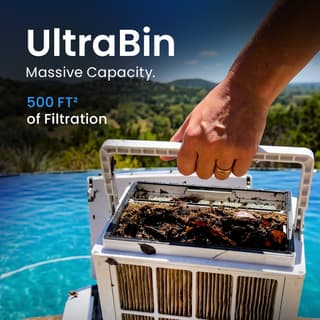
- Debris flexibility: compare leaf-capacity options with fine-filter media based on what enters your pool most often.
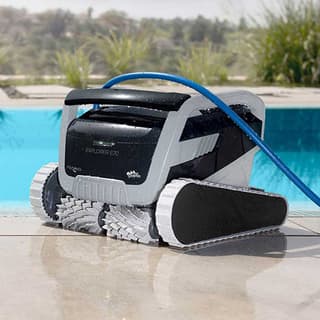
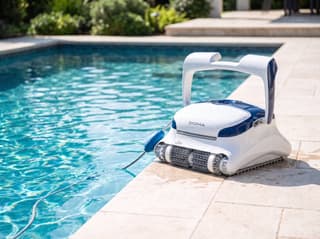
- Power type: cordless avoids a working cable but adds charging and runtime planning; corded models require safe outlet and cable setup.
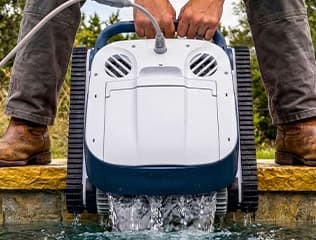
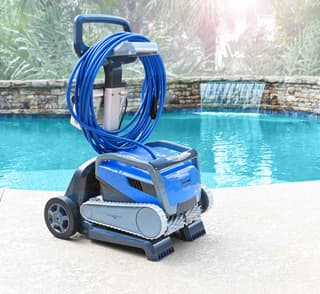
- Handling: check wet weight, access to the pool, and whether an included or compatible caddy matters.
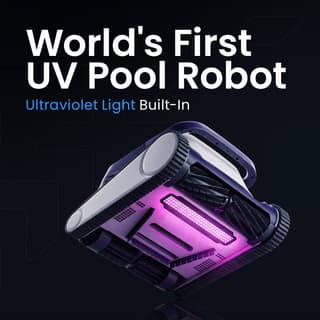
- Supplemental features: treat UV as exact and verify its purpose and upkeep rather than assuming a sanitation outcome.
Compatibility checks still come first
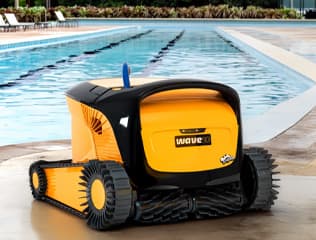
For larger pools or architectural layouts, verify rated dimensions, cable or runtime limits, surface guidance, wall transitions, and any areas the robot cannot enter. A long feature list does not guarantee complete coverage in a complex pool. Pools with a true high-duty use case should be compared with the commercial line rather than inferred from a premium residential label.
When to spend less
If your pool is simple, debris is light, and onboard controls are enough, the live under-$1,000 tier may cover the same essential job. For help separating requirements from conveniences, ask us with your pool dimensions, surface, debris, outlet location, and preferred maintenance routine.
Premium upkeep is still basic upkeep: empty and rinse filters, keep charging contacts or cables clean as directed, inspect wear parts, update apps when required, and store the unit according to the manufacturer instructions.