Quick Answer: Cordless Trades Cable Handling for Charging
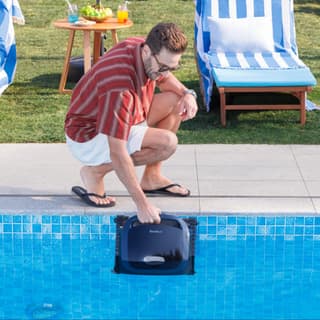
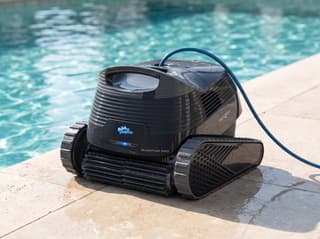
A cordless robot carries its own battery during the cycle. That removes a floating power cable, but the cleaner must still be retrieved, emptied, rinsed, and charged. Runtime and charge time vary substantially by model and mode, so use the current specification for the exact product rather than a category-wide estimate.
How the Main Cordless Options Differ
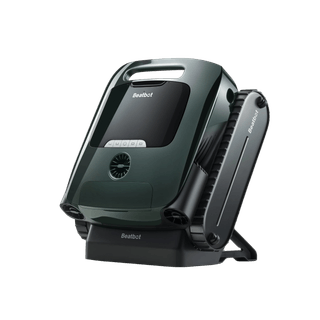
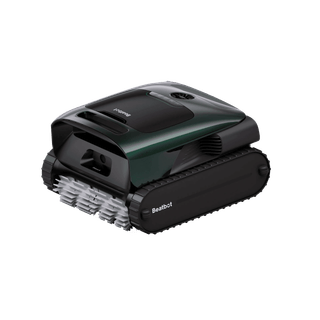
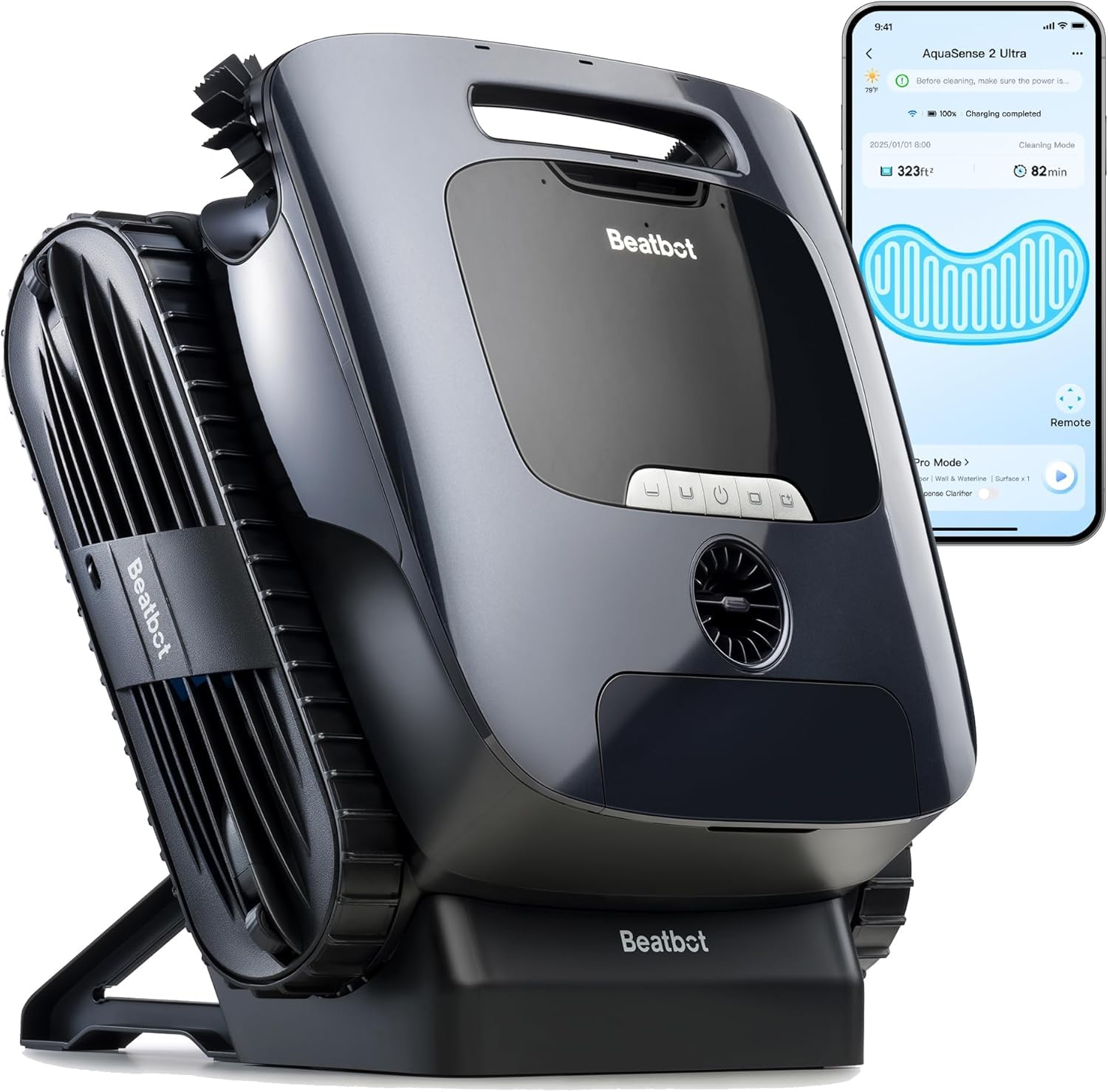
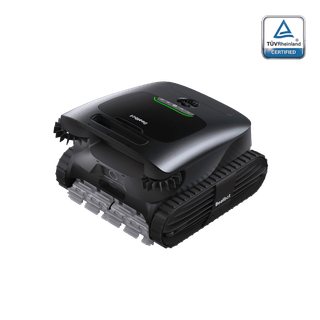
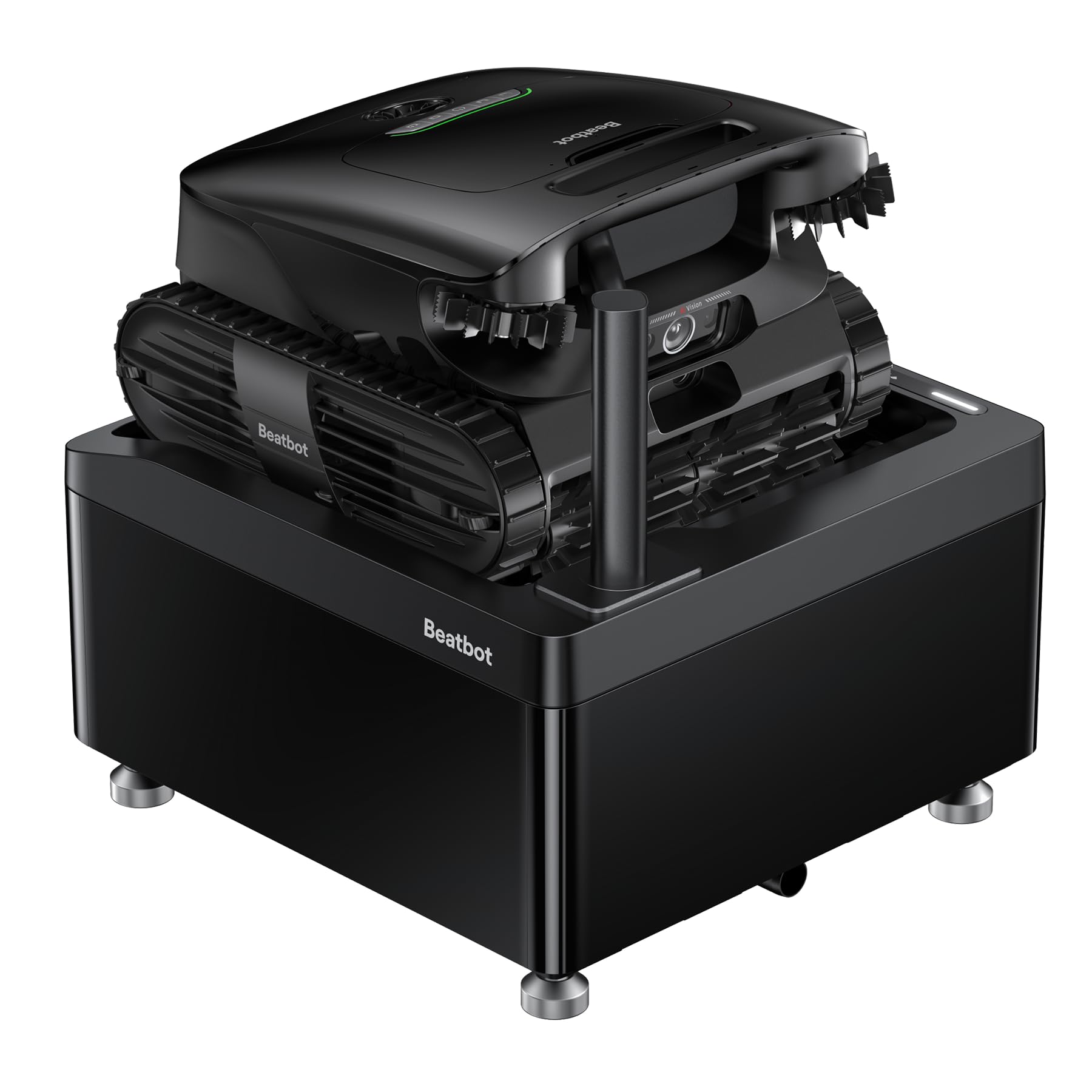
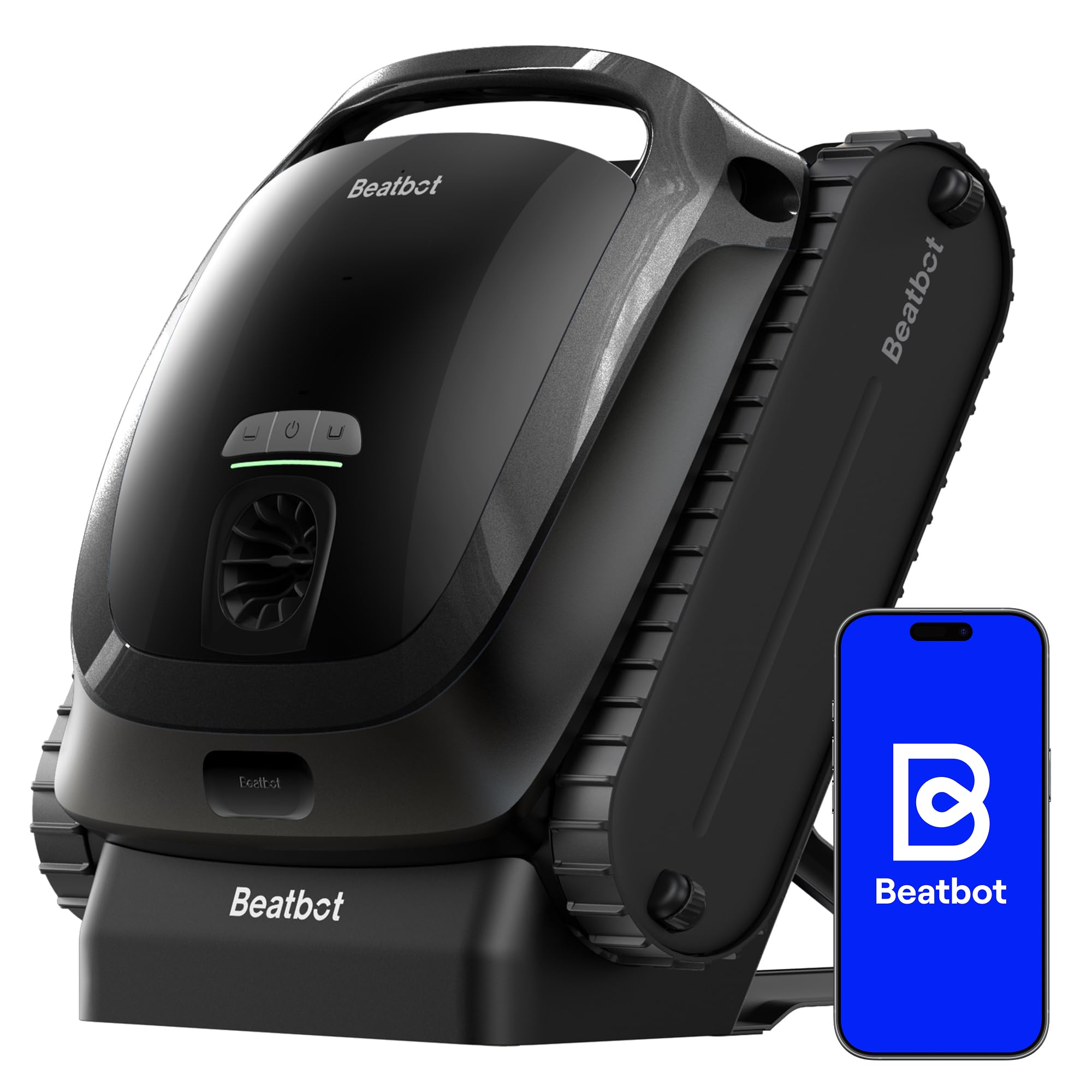
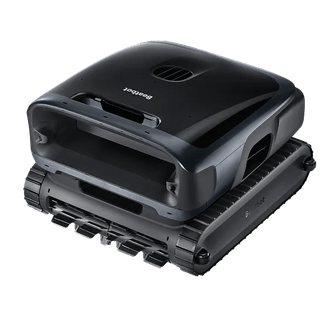
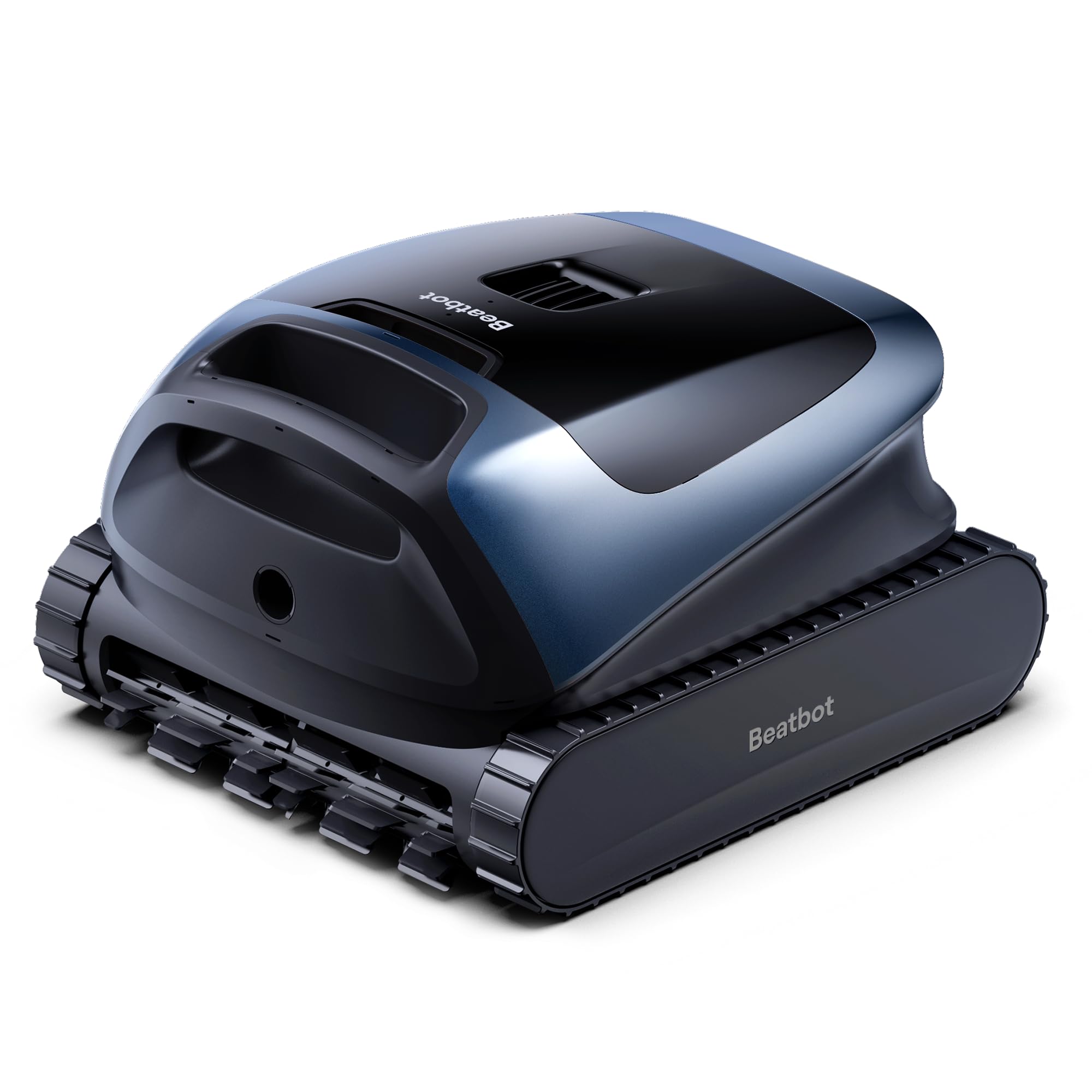
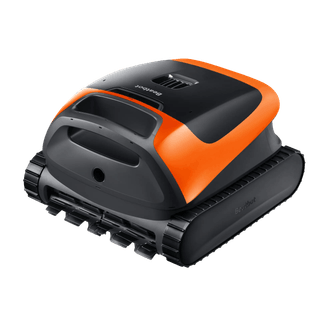
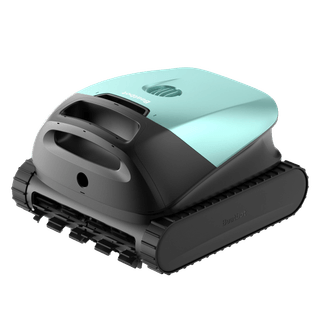
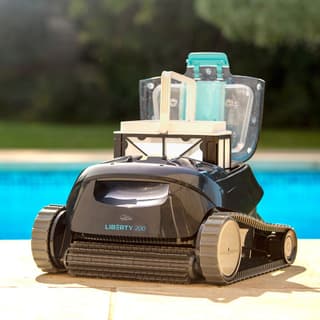
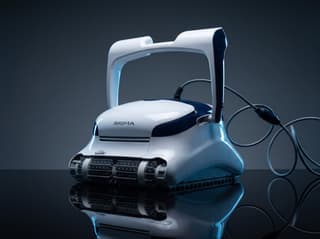
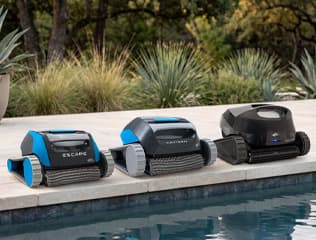
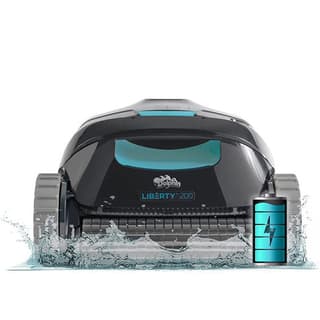
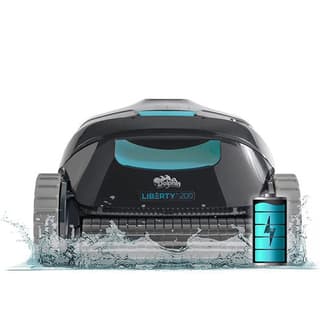
Beatbot's AquaSense families span several feature levels; some current listings include combinations of floor, wall, waterline, surface-skimming, app, or UV-related features. The Dolphin Liberty listings provide alternatives with different controls and filter systems. Names within a product family can look similar, so compare the precise handle, included equipment, stated pool-size limit, and available cleaning modes before ordering.
- Runtime: compare the stated duration in the mode you expect to use, not only the longest advertised mode.
- Coverage: verify floor, wall, waterline, and surface-skimming functions separately.
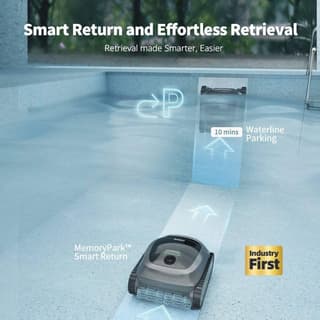
- Retrieval: check weight, retrieval method, and whether the robot reliably ends where you can reach it.
- Battery ownership: review charging temperature, storage guidance, replacement availability, and battery-warranty terms.
Who Should Go Cordless
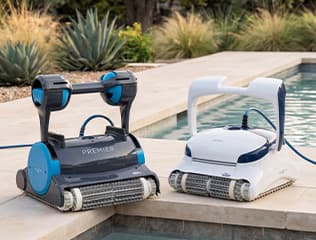
Cordless can make sense where outlet placement is awkward, in a compatible plunge pool or small pool, or whenever avoiding the cable outweighs charging and battery considerations. For a full-size inground pool, make sure that the rated cycle and coverage can complete the intended job. If not, compare corded cleaners and the full format guide.
Limitations to Plan For
Cold or hot storage, demanding cleaning modes, pool resistance, and battery age can affect runtime. A battery-powered cleaner may also need another charge before a second pass after a storm. Follow the charging and storage instructions, and do not assume a sealed battery is user-replaceable or covered for the same term as the complete robot.