Bottom line: UV is supplemental
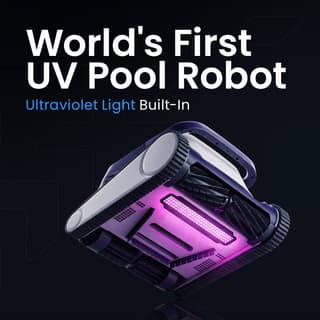
A UV-equipped cleaner exposes some water moving through the unit to its UV system. The effect depends on the design, flow, exposure, maintenance, and which water passes through the cleaner. Continue to test and maintain the sanitizer and chemistry specified for the pool; UV in a mobile cleaner does not protect the whole water volume continuously.
UV-C and UV clarifying labels can differ
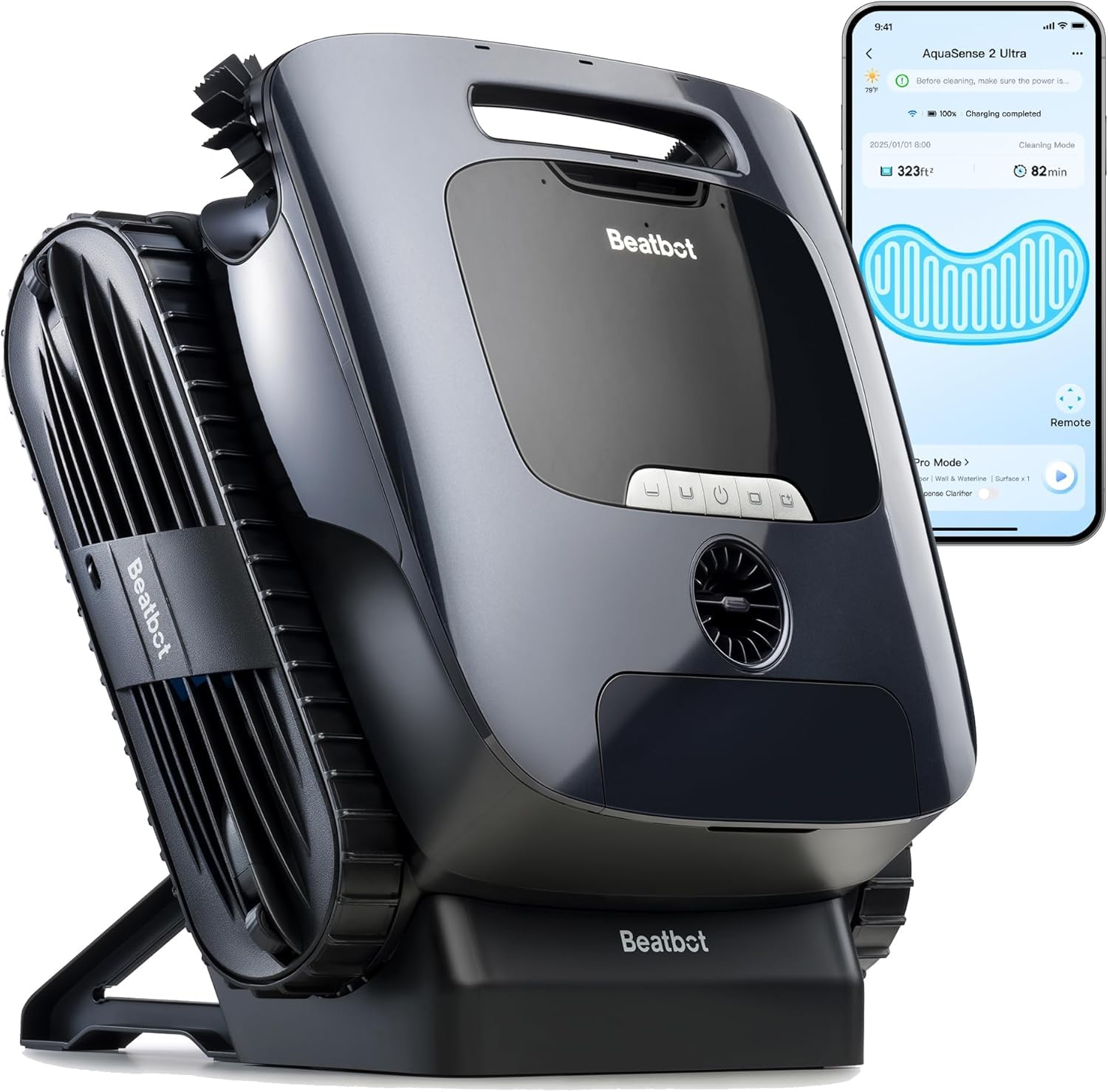
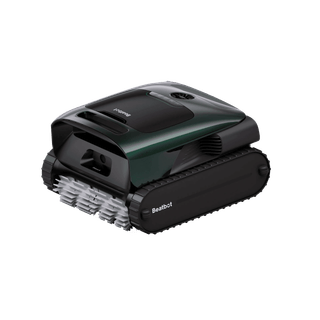
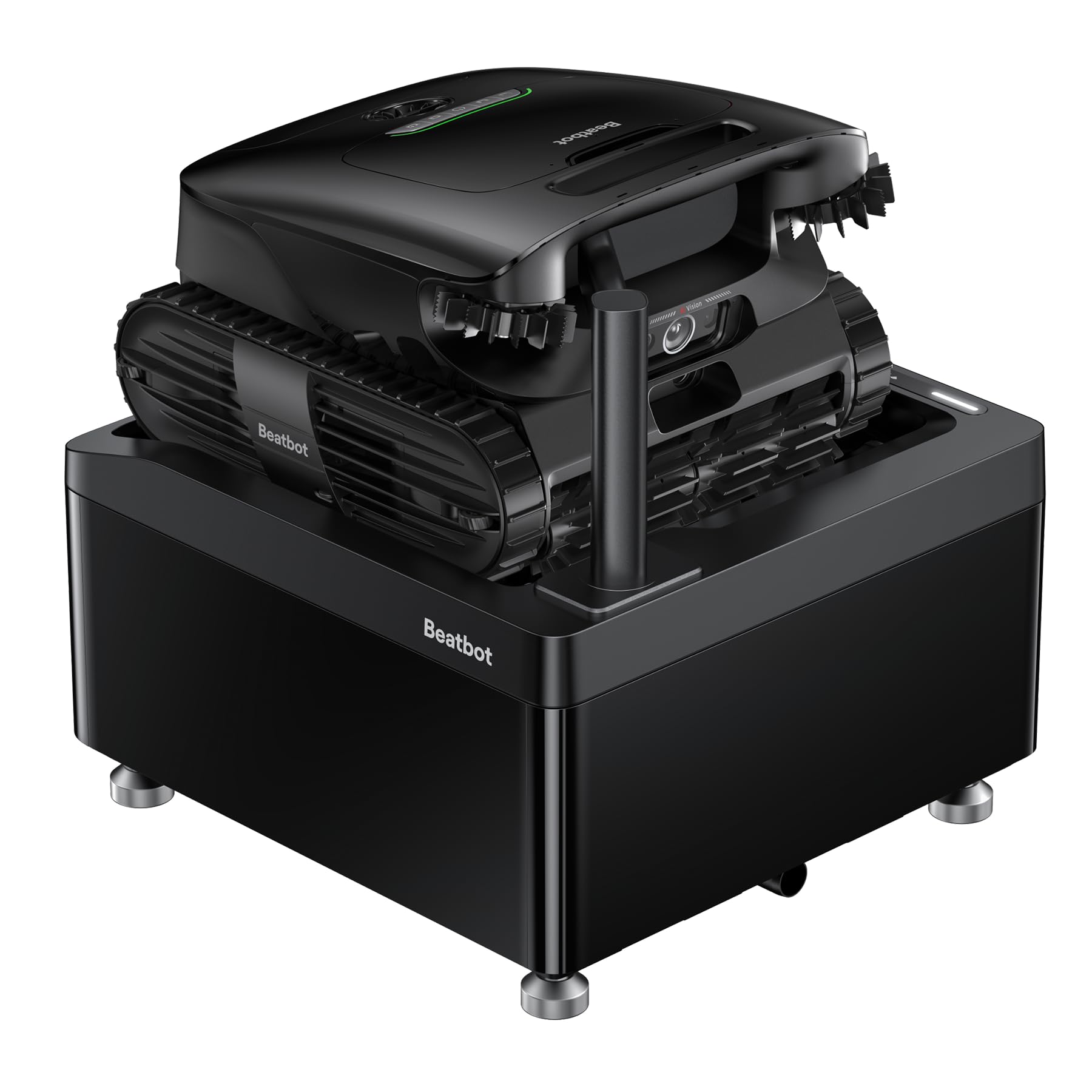
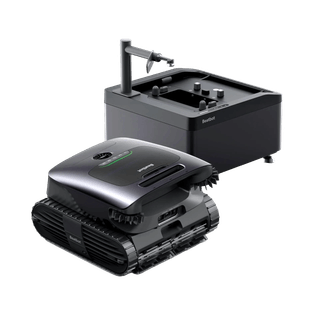
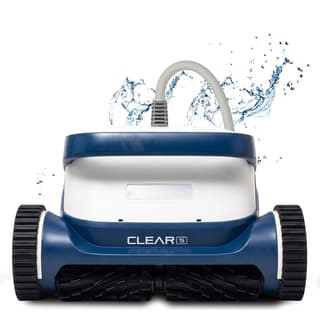
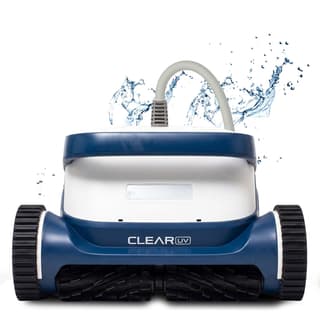
The Clear UV listing describes an integrated corded UV-C feature, while selected Beatbot cordless listings describe UV clarifying. Those names do not guarantee equivalent dose, purpose, or performance. Read the current manufacturer documentation and do not infer medical or whole-pool sanitation outcomes from the category label.
Choose the cleaner around the core job
Before paying for UV, verify pool dimensions, surface compatibility, power type, runtime or cable reach, cleaning coverage, and suitable fine filtration. Mechanical pickup and brushing remain central to removing settled debris; proper chemistry remains central to algae control.
Maintenance and replacement checks
Make sure how the UV component is inspected, cleaned, replaced, or monitored and whether service is user-accessible. Maintain filters and brushes as directed, and compare current warranty terms for the UV system separately from assumptions about the rest of the cleaner. For particle-focused alternatives, see fine-dirt cleaners and premium models.