Reach Is the First Pass/Fail Check
Measure the route to the farthest floor and wall before comparing features. The longest surface path can exceed the straight waterline length when a pool has a deep end, offset section, or freeform curve. Make sure that measurement against the current model manual, including where the power supply may safely sit.
After reach, decide whether you need floor-only, wall, or waterline coverage. A maximum length is not a promise that a robot will climb every wall finish or negotiate every bench, drain, and transition.
Choose Filtration for the Debris Load
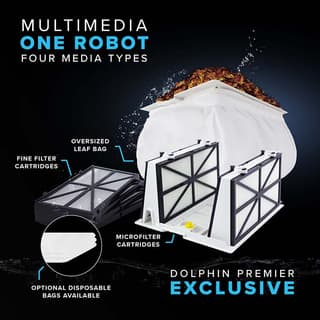
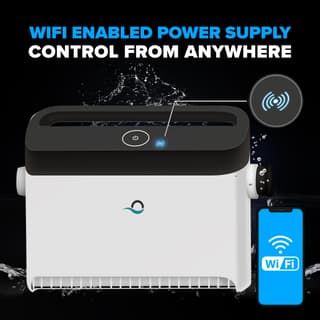
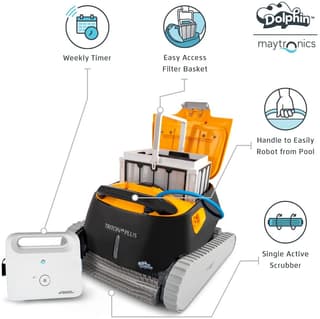
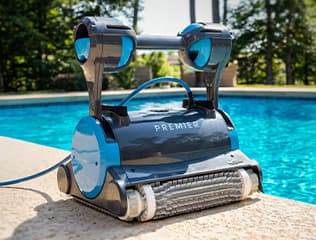
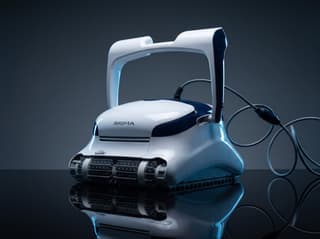
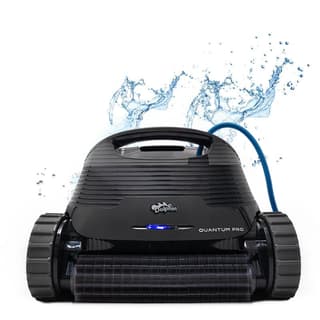
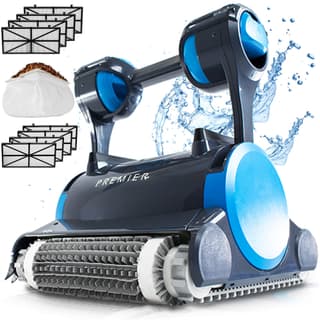
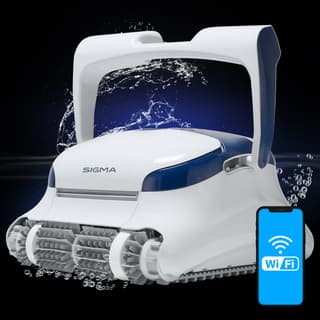
Compare the current Quantum when an easy-access, high-capacity basket and app controls are useful; compare the Premier when alternative filter media for bulky debris matters; and compare the Sigma when gyroscope navigation and a triple-motor configuration are priorities. Check the included media on the exact listing rather than assuming every accessory is in the box.
Plan for Real-World Limitations
- Pre-skim branches, stones, and debris too large for the intake.
- Inspect and empty the filter during the first heavy-cleanup cycle; capacity depends on debris, not pool size alone.
- Watch whether the robot transitions out of the deep end and reaches recessed corners or benches.
- Store the cable without tight twists; a caddy can make a long-cable routine easier but does not increase reach.
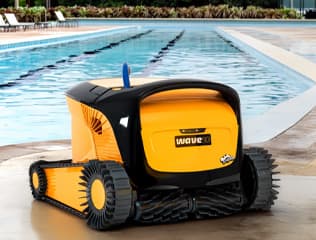
Use the 40-foot guide or 50-foot guide for boundary cases. Pools beyond a residential model's published limit belong in the commercial-cleaner comparison; long, narrow layouts also deserve the lap-pool checks.