Where a Robot Can and Cannot Go
Think of the pool as two rooms. The swimming zone has a smooth floor and walls. The regeneration zone has gravel, planting baskets and roots, and it filters your water. A robot is a floor machine with a strong intake: on gravel it swallows stones and jams, and among plants it tangles and uproots.
Before buying, walk the edge and answer three questions. Unless the first answer is a full-height wall, take it to the builder.
- Is the divide between zones a full-height wall, a submerged wall, or only a change in depth?
- Is there sand, gravel or pond soil anywhere the robot would cover?
- Is the swimming-zone lining smooth, with no exposed pipes or fittings at floor level?
Sediment, Biofilm and What a Robot Will Not Fix
A robot removes what has settled or stuck: silt, leaf litter, the film on walls. It does not replace the regeneration zone, the circulation pump or the skimmer, and it will not clear water that has turned green or cloudy. That is a planting, nutrient or flow question for the builder.
Expect to rinse the filter far more often than a chlorine-pool owner would, because fine organic sediment packs into ultra-fine media quickly. The robot will also grow its own film if it sits in living water, so lift it out at least weekly and hose it down.
Liner Type and the Builder Conversation
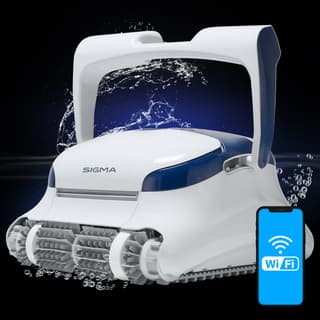
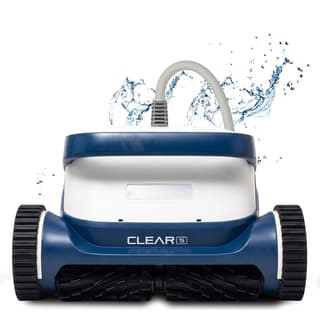
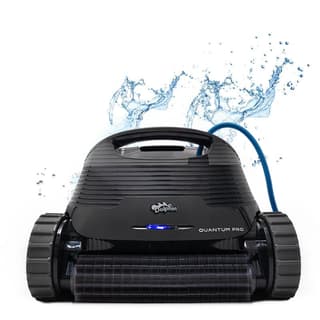
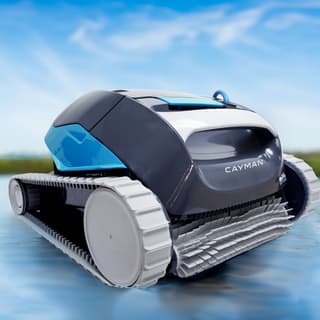
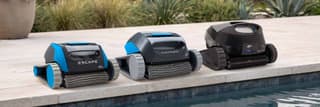
The Dolphins' published surface lists name vinyl liner and concrete or gunite. EPDM rubber, the liner in many natural pools, is not named on any of them, and for the Clear S you should check the manual. That is not evidence a robot harms EPDM; it means nobody has published that it suits it.
Ask the builder three things: whether they approve a robotic cleaner in the swimming zone, whether your liner and seams are suitable, and how often they want sediment removed. Their answer outranks any buying guide, including this one.
Setting Up a Robot for the Swimming Zone
- Wash a used or stored robot with fresh water before its first run, filters and cable included, so no pool chemical reaches the plants.
- Stay beside the pool for the whole first cycle and note anywhere the robot nears the planted zone or a submerged wall edge.
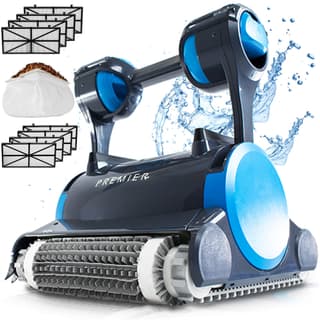
- Fit the finest media you have for routine runs, and switch to the leaf bag or coarse panels when autumn litter arrives.
- Empty the filter soon after each cycle; living water means the catch can include insect larvae or tadpoles you may want to return.