Saltwater Compatibility Is a Specification
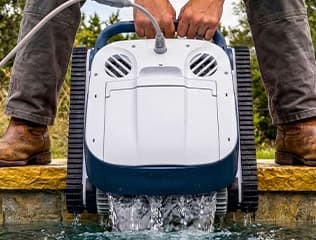
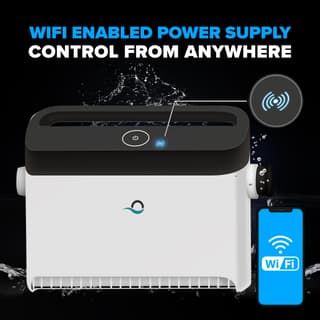
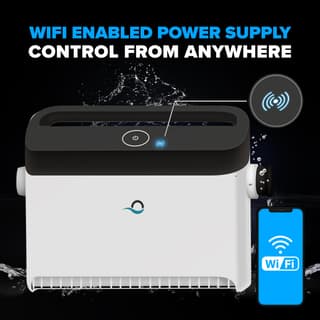
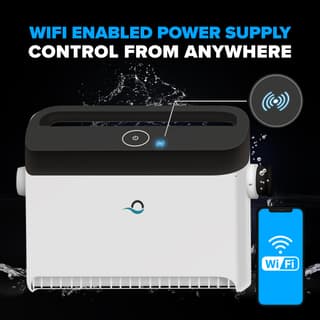
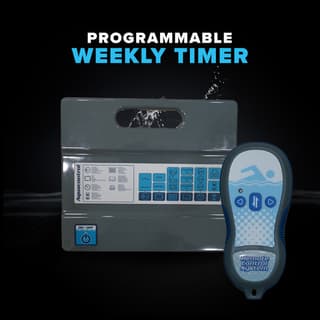
Robotic cleaners use a separate power supply and onboard filter, but they are still exposed to salt, sanitizer, heat, and water balance. Do not assume low-voltage operation means corrosion cannot occur. Compare the measured salinity and chemistry with the model’s current limits, use the required protected outlet, and follow all power-supply placement instructions.
We sort through pool size, debris, coverage, filters, and everyday upkeep so you can spend less time researching and more time swimming.
Recommended Saltwater Cleaners
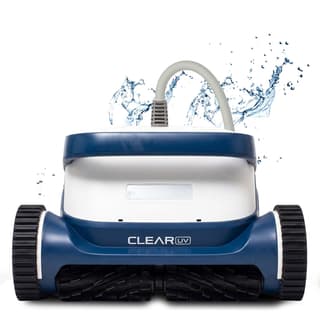
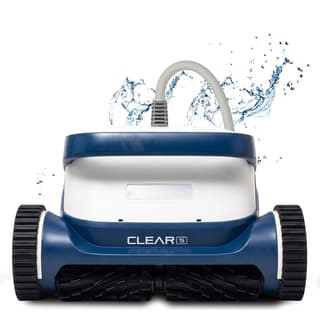
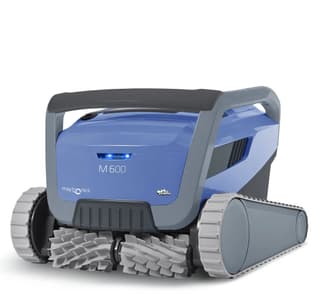
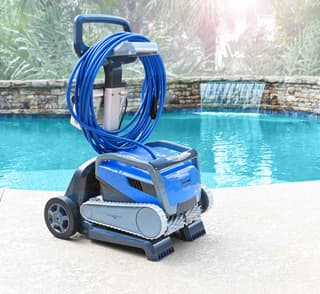
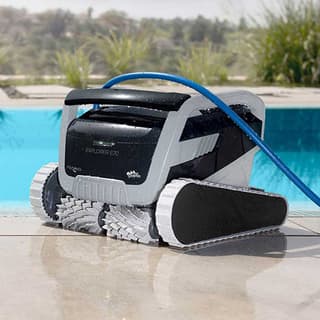
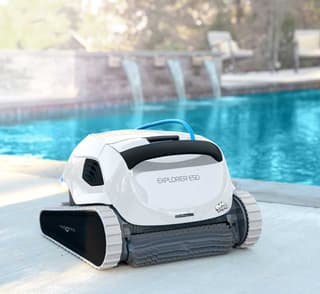
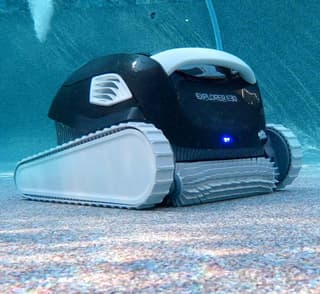
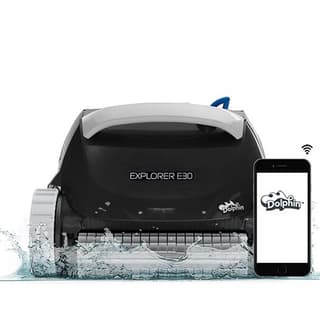
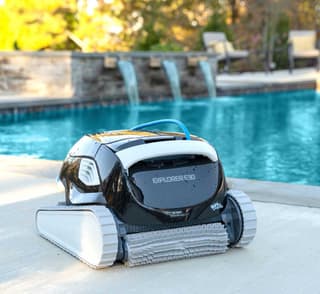
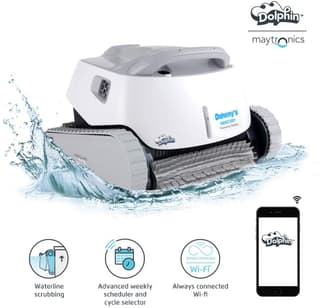
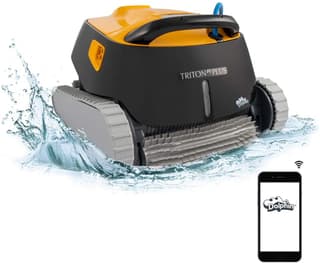
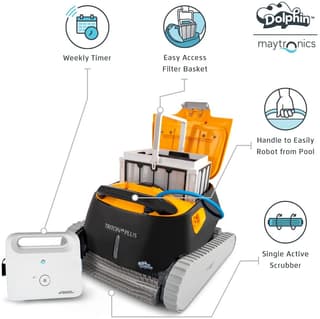
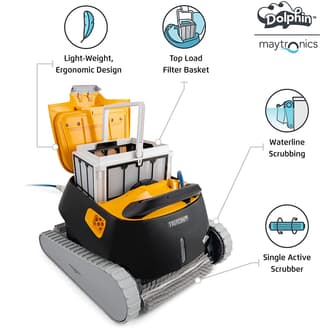
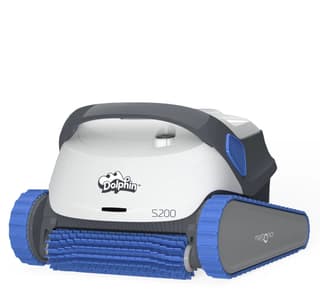
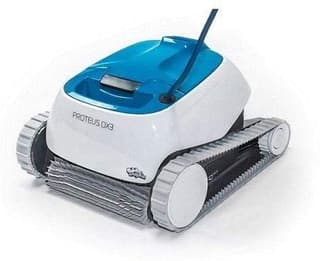
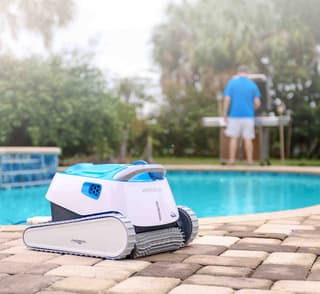
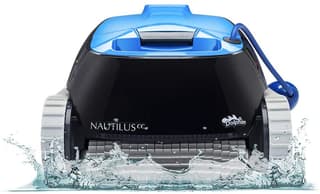
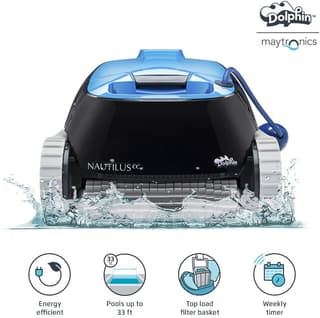
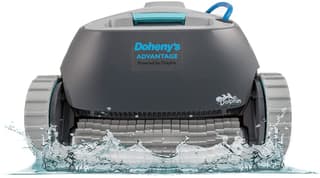
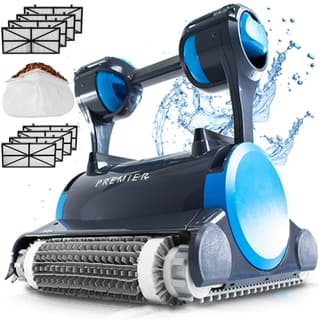
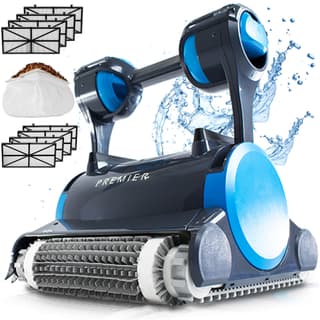
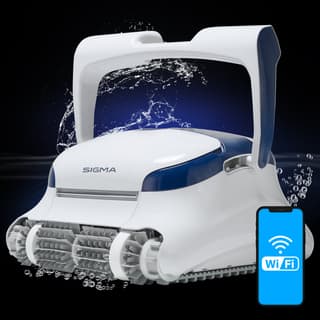
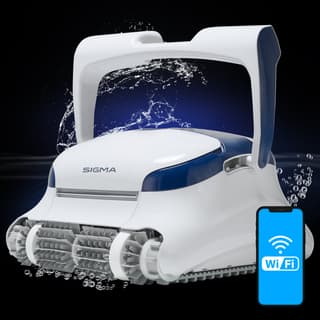
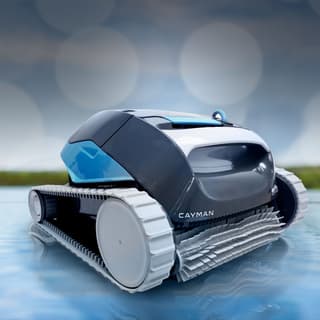
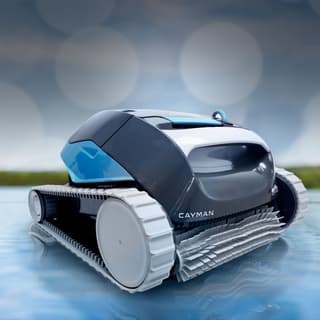
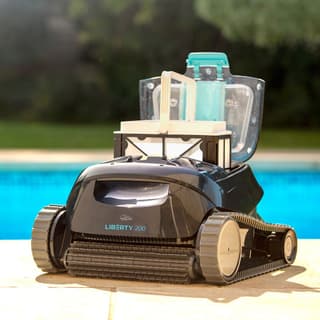
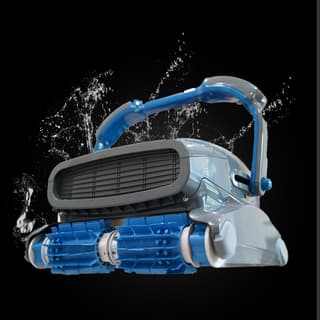
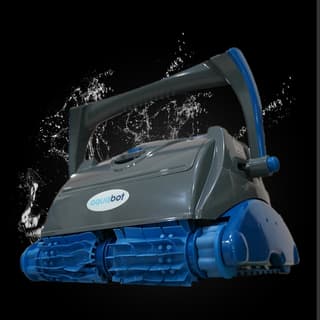
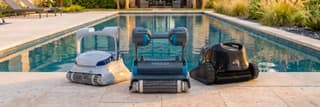
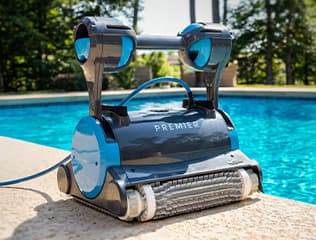
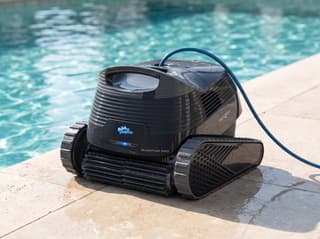
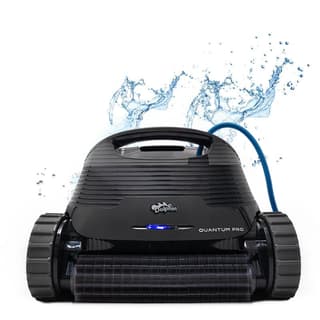
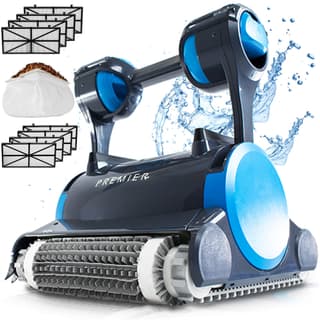
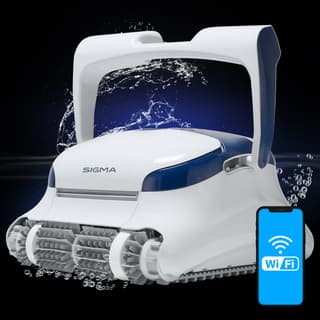
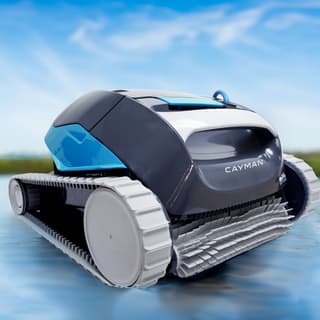
The Quantum, Premier, Sigma, and Cayman are candidates only where their current documentation permits the pool’s salt level and finish. Once compatibility is confirmed, compare them as you would for a chlorine pool: pool dimensions, cleaning zones, debris, controls, and handling. See our broader comparison for those pros and cons.
Saltwater-Specific Care
- Rinse and store the robot at the frequency and in the location stated in the manual; inspect connectors and moving parts for corrosion or deposits.
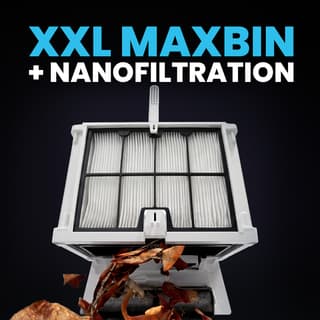
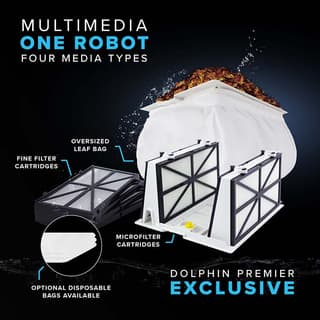
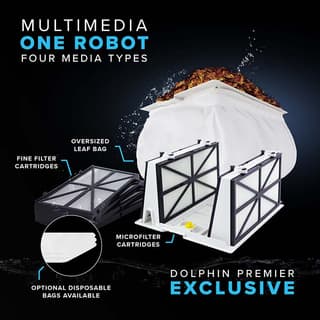
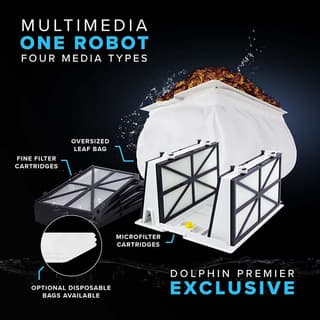
- If the salt cell sheds calcium flakes, appropriately fine filter media may help capture them along with other fine debris.
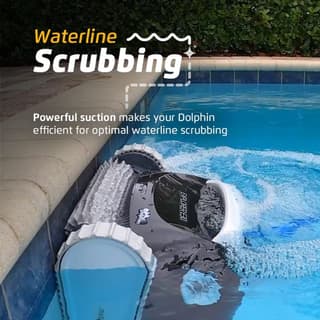
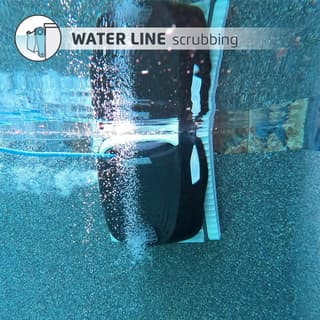
- Routine waterline brushing can address loose film, but bonded scale requires water-balance correction or finish-approved treatment.
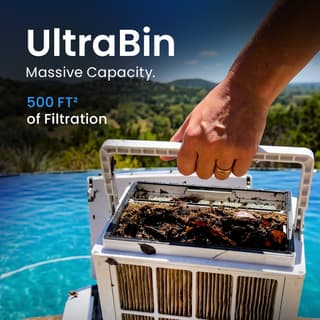
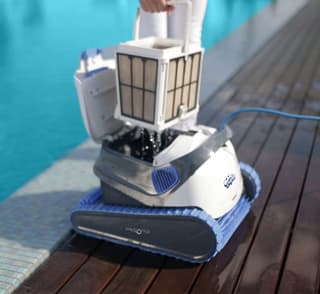
Remove the cleaner during chemistry adjustments when the manual calls for it, empty the filter after each heavy load, and do not leave the unit in water longer than its storage guidance allows.