Mechanical Cleaning Supports Water Care
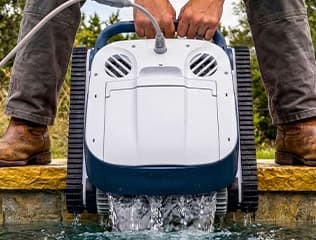
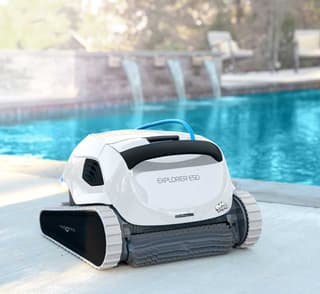
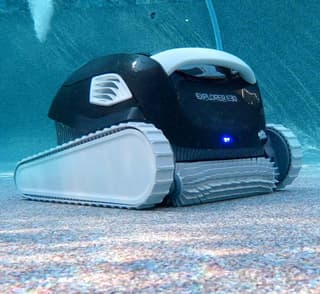
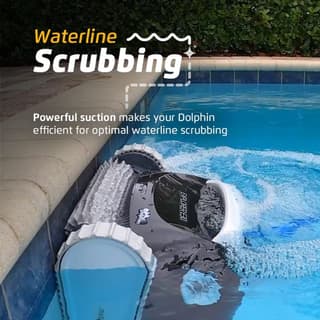
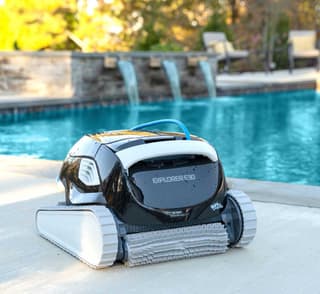
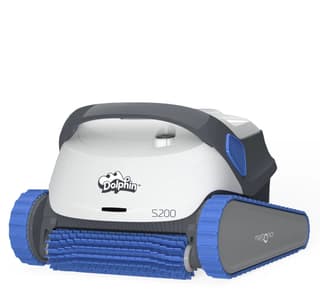
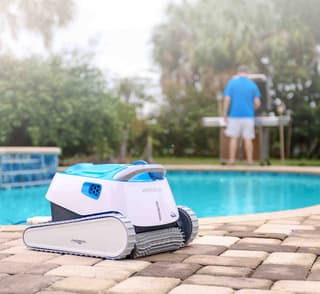
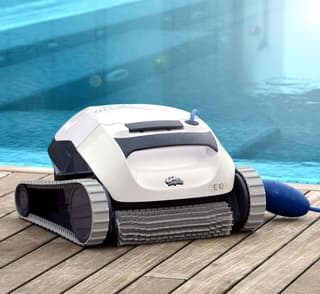
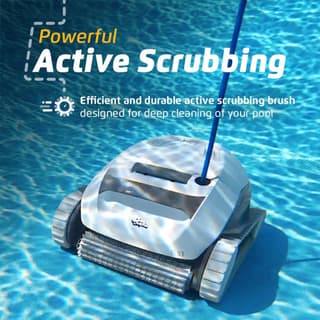
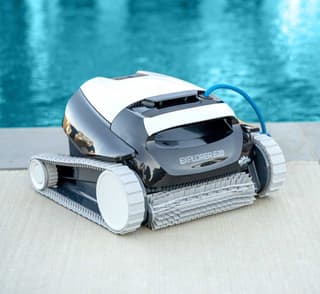
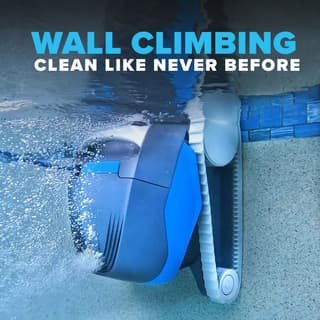
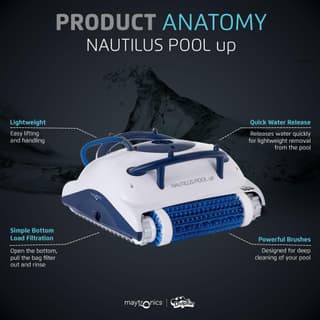
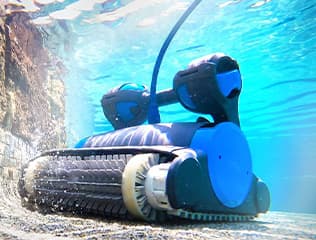
A robot removes some leaves, insects, sediment, and other loose material before it remains in the water. That can support the broader maintenance routine, but the effect on chemical use varies and should not be promised. Circulation, the main filter, testing, sanitizer, and balanced water remain necessary. We sort through pool size, debris, coverage, filters, and everyday upkeep so you can spend less time researching and more time swimming.
Top Picks for Chlorine Pools
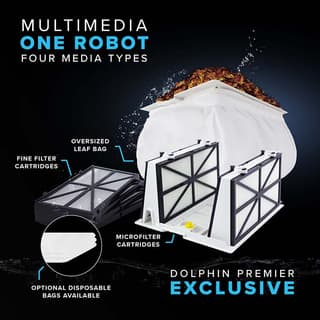
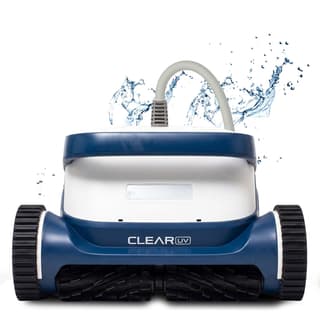
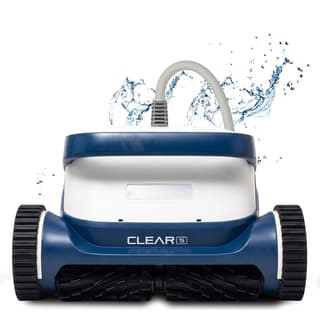
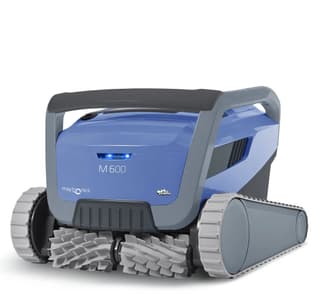
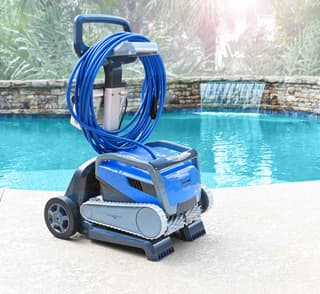
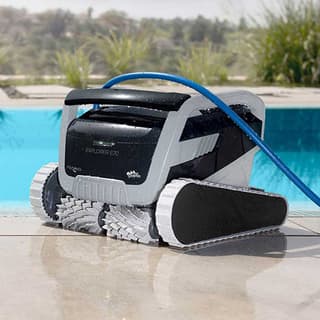
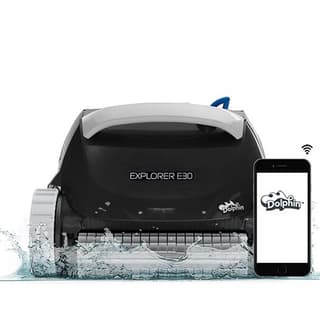
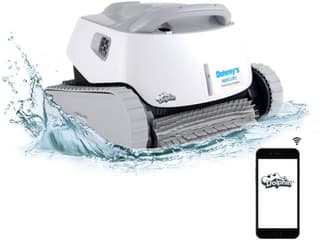
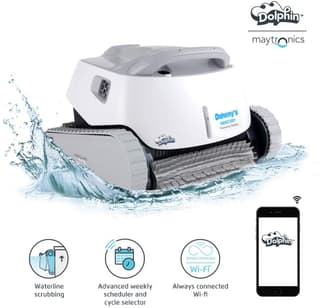
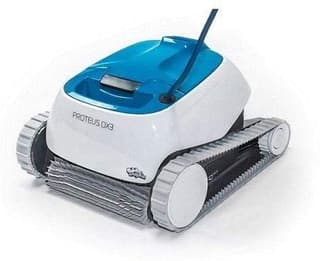
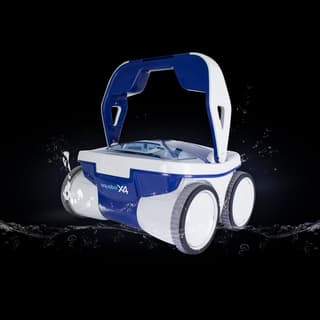
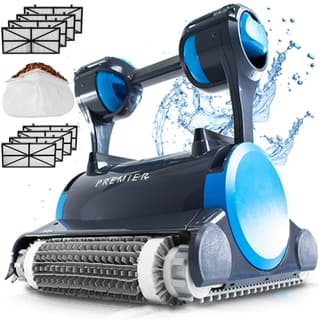
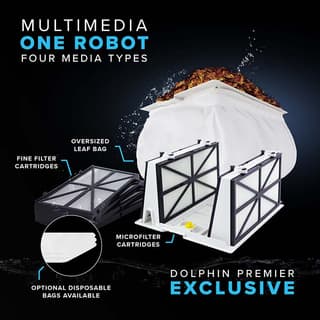
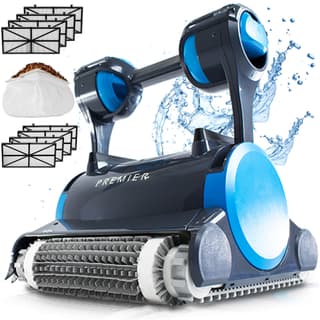
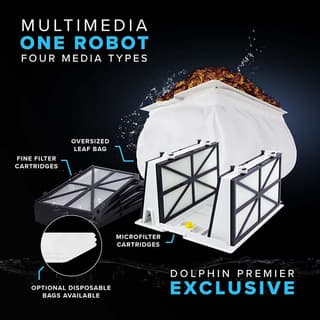
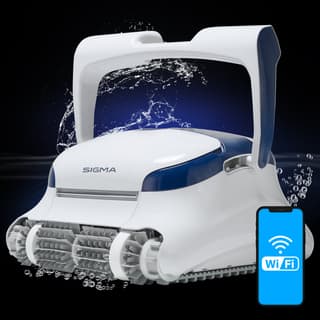
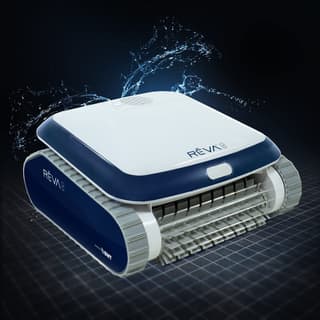
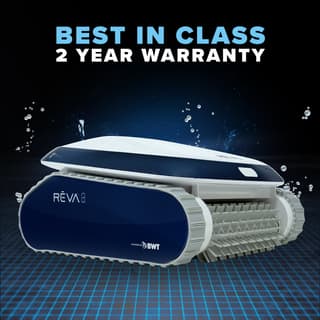
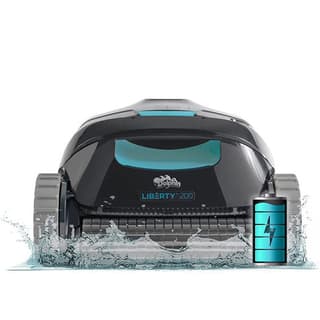
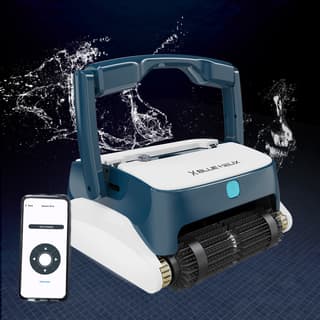
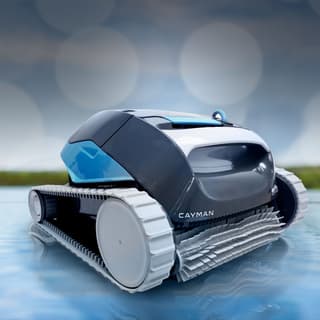
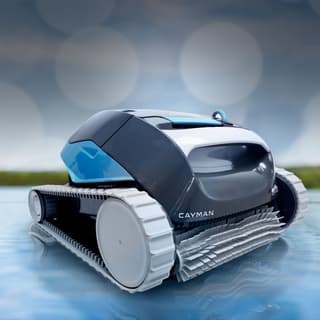
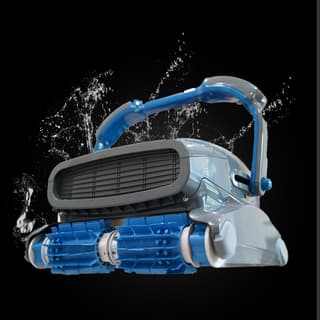
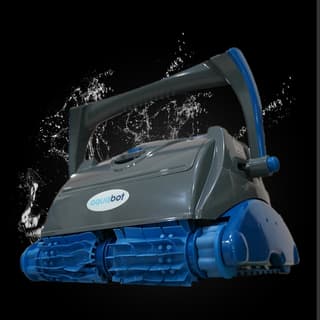
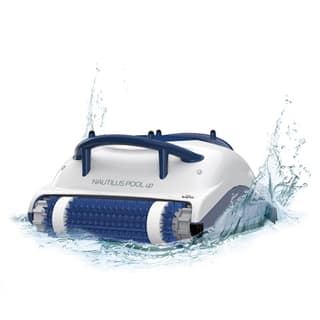
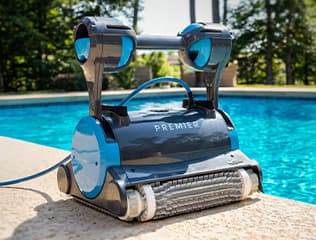
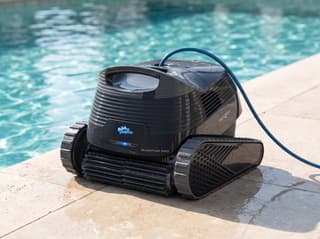
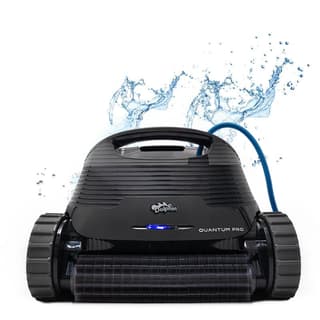
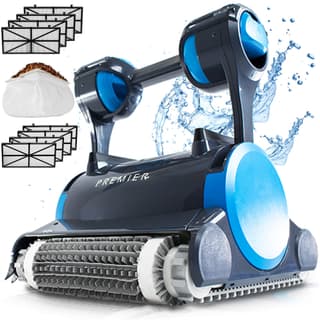
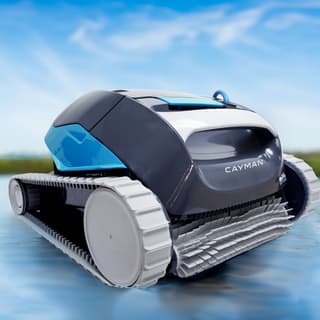
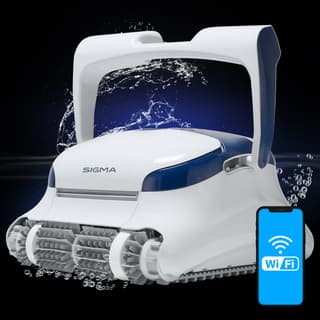
Compare the Quantum for fine filtration and broad coverage, the Premier for changing debris media, the Sigma for navigation and controls, and the Cayman for a simpler feature set. Match those distinctions to debris, pool dimensions, and the exact surface rather than choosing by sanitizer alone.
Robot + Chlorine Best Practices
- Follow the model’s sanitizer and shock-treatment limits; remove it during treatment when the manual requires, and retest before returning it.
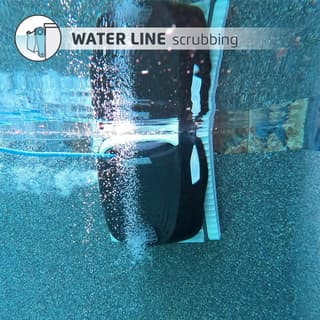
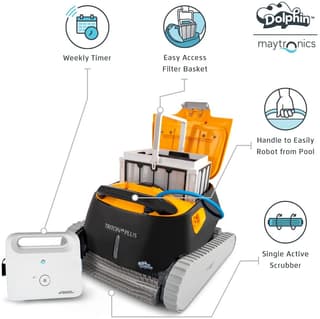
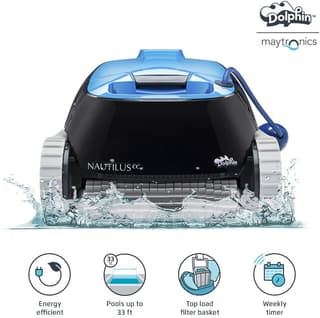
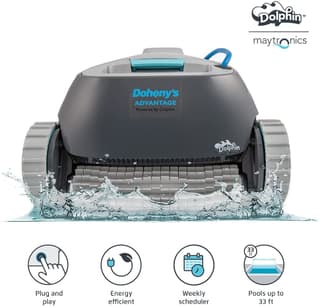
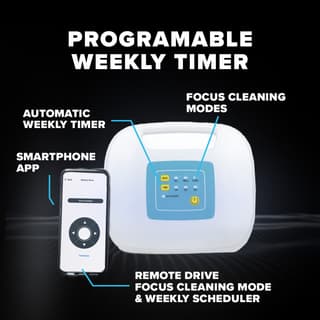
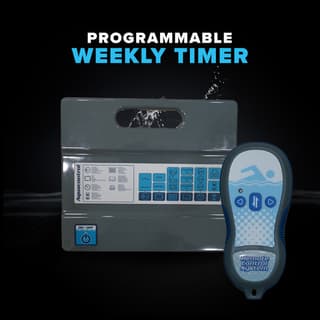
- A weekly timer supports routine debris removal only if in-water storage between cycles is permitted.
- If converting to salt, recheck compatibility rather than assuming the cleaner carries over; use the saltwater guide.
Limits and Maintenance
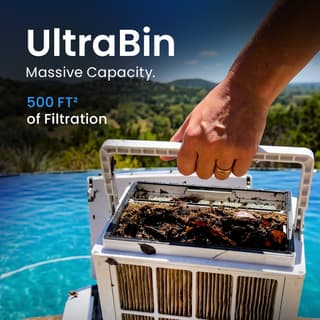
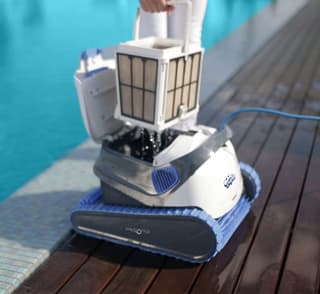
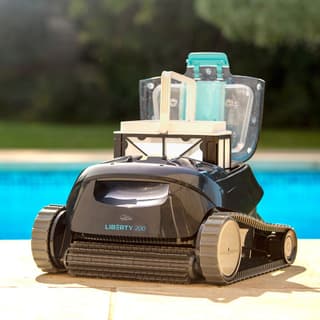
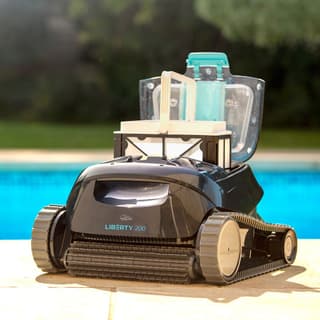
A robot can collect some dead algae when its filter is fine enough, but an active bloom requires chemistry, circulation, and filter care. Empty and rinse the basket, inspect brushes and cable, and follow storage guidance to limit prolonged chemical and sun exposure.