
The Short Answer
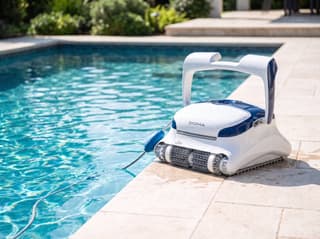
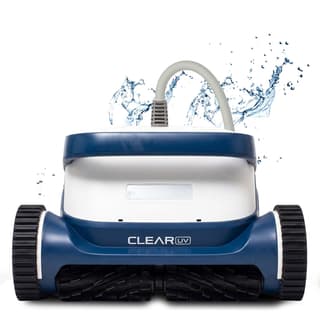
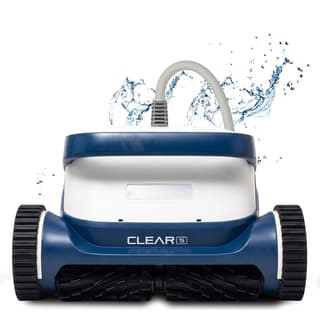
A swivel cable can reduce accumulated twist, but it cannot prevent every knot or snag. Make sure the feature on the exact model and listing. Then size the cable to the measured pool; both too little usable reach and unnecessary loops in the water can create problems.
Set Up the Cable for the Pool
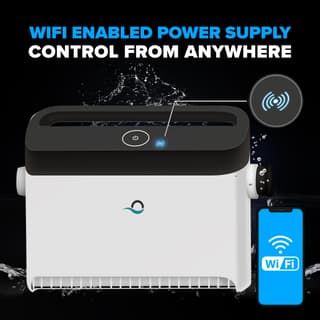
Follow the manual's power-supply location and electrical-safety instructions. Put only the directed amount of cable in the water, laid out without tight coils, and keep the path clear of removable ladders, toys, covers, and other snag points. On large pools, depth and shape can consume more reach than the waterline length suggests.
Habits That Reduce Tangles
- Remove existing twists before deployment instead of asking the swivel to undo a tightly wound cable.
- Use the amount of cable and placement described in the current manual.
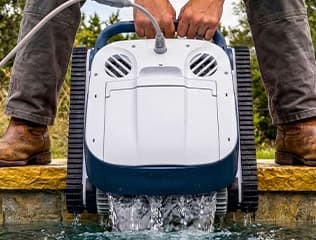
- After cleaning, inspect for abrasion and store in broad, loose loops on an approved caddy or as directed.
- Watch an early cycle near ladders, steps, and narrow transitions to identify repeat snag points.
When Cordless Is the Better Constraint
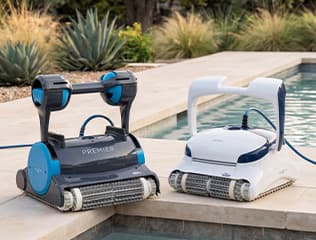
If any deck cable is unacceptable, compare cordless robots. They remove cable tangles but add charging, retrieval, and finite-runtime considerations. The corded guide explains the ownership trade-off without assuming one power type fits every pool.