Make sure the Plaster Is Ready
Fresh plaster and resurfacing projects follow builder-specific startup and curing procedures. Do not assume a fixed waiting period: ask the builder when powered cleaning equipment is permitted, and check the robot manufacturer’s plaster guidance. Existing etching, delamination, cracks, or exposed aggregate should be assessed before use.
We sort through pool size, debris, coverage, filters, and everyday upkeep so you can spend less time researching and more time swimming.
Match Cleaning to the Debris
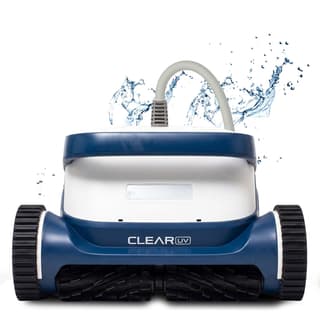
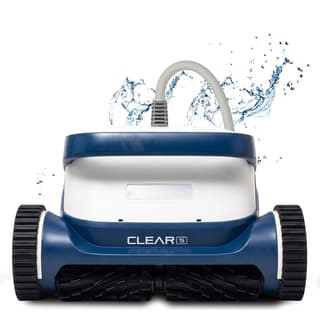
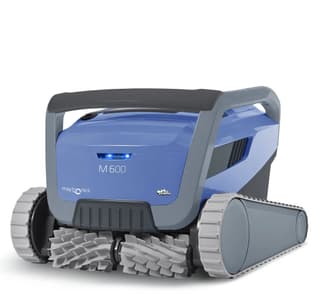
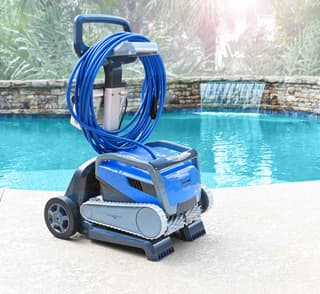
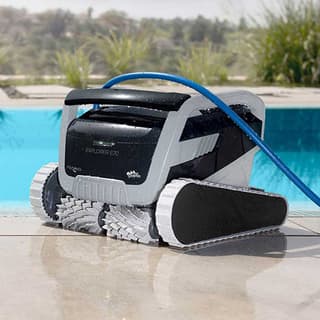
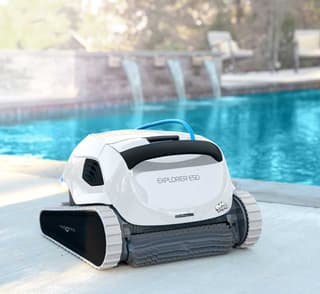
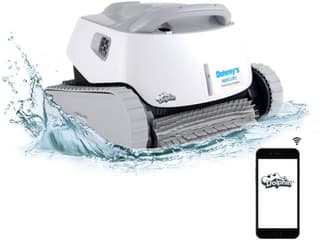
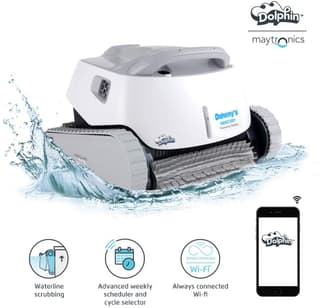
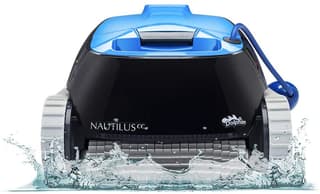
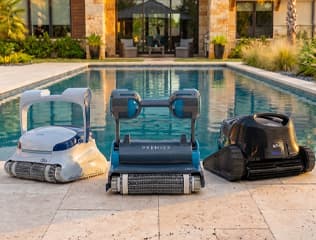
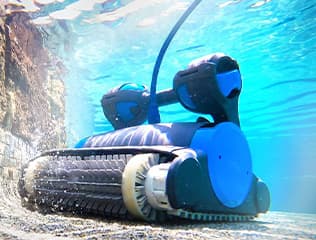
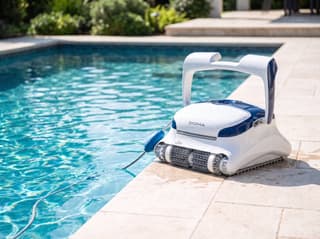
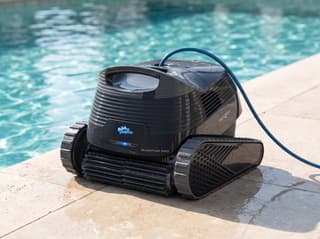
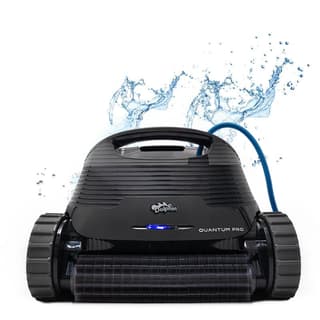
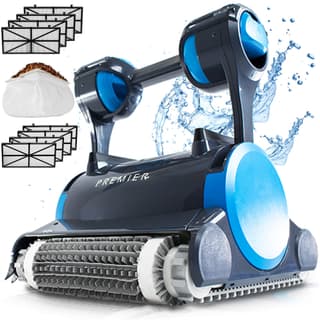
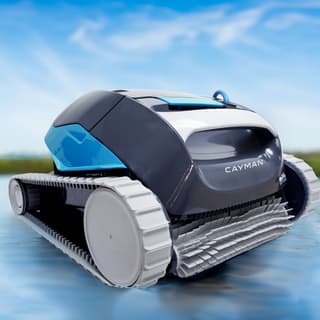
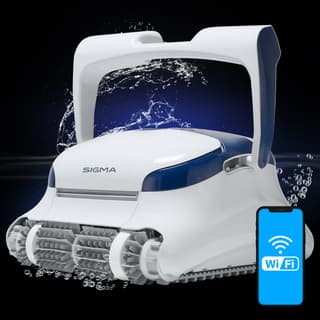
The current Quantum is a connected full-coverage candidate with fine-filtration options; the Premier substitutes flexible filter media and a leaf bag, while the Sigma adds gyroscope navigation and a triple-motor configuration. The Cayman offers a simpler wall-cleaning comparison. Fine media can help with loose dust, but discoloration can also come from metals, scale, algae, or finish wear and may need separate diagnosis.
Plaster Care Notes
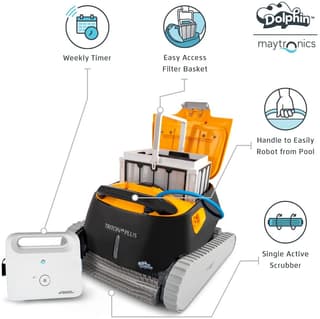
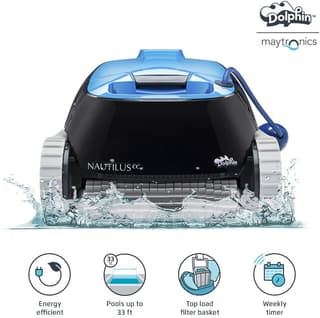
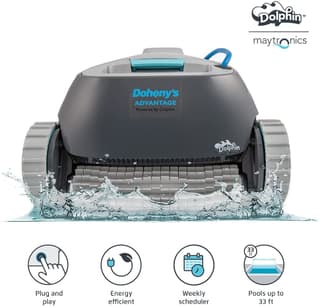
- Use a weekly timer only when the manual allows the robot to remain in the pool between cycles.
- Remove leaves and acorns promptly because organic debris can discolor some finishes.
- For an active bloom, use the chemistry and cleanup sequence in our algae guide rather than relying on the robot alone.
pros and cons and Maintenance
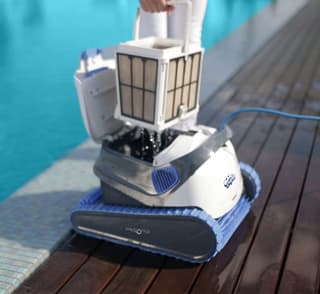
Fine filters can load quickly, and full wall coverage may be unnecessary if you already brush walls by hand. Rinse the filter, inspect brushes for trapped grit, and monitor water balance according to the pool professional’s guidance. A robot handles routine loose debris; it does not repair plaster or remove every stain.