The Short Answer
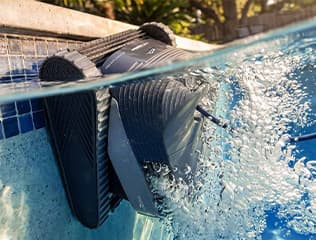
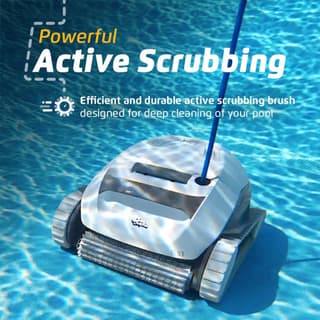
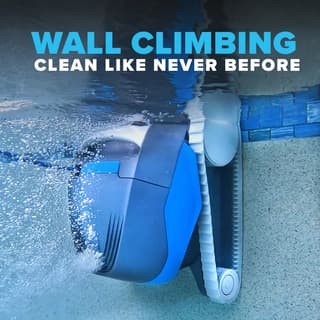
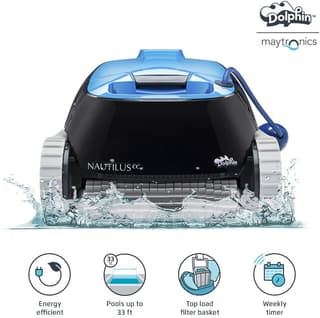
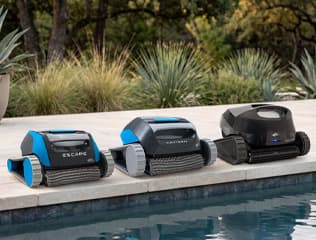
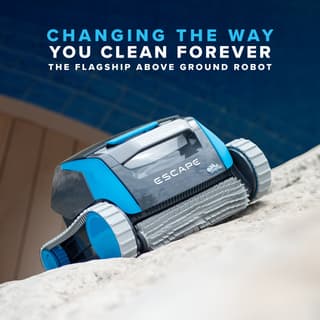
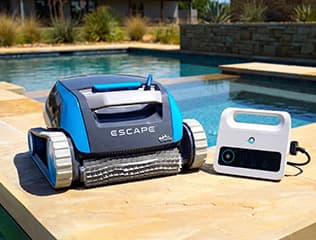
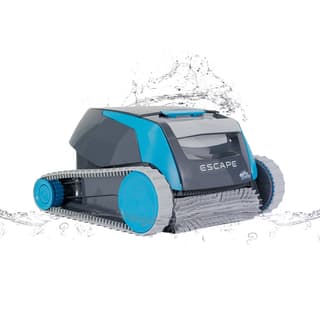
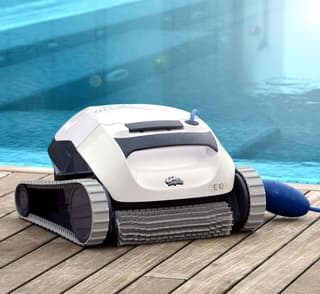
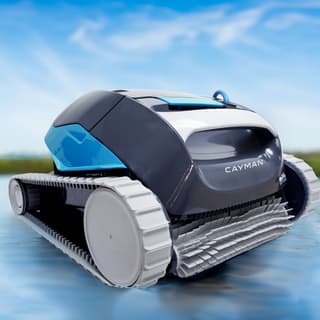
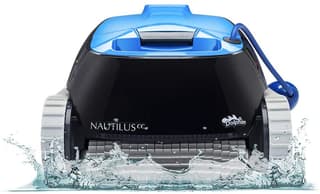
A compact robot is a sensible starting point, not an automatic fit. A 10,000-gallon pool may be above-ground or inground, and those configurations can require different coverage. Use the Escape and E10 as above-ground comparisons; include the Cayman when an inground pool needs wall climbing.
Use Gallons as a Cross-Check, Not the Size Rating
Choose by measured length, shape, and usable cable reach first. Gallons describe water volume; they do not show whether a cable can reach the far wall and deep-end floor, or how a robot will handle a long, freeform, or divided layout. A long, narrow pool can need more reach than a compact pool holding the same volume.
For a rectangular pool, gallons are approximately length × width × average depth × 7.48. Use that calculation to check the stated volume, then compare the longest dimension and cable-routing requirements with the current product manual. Steps, shelves, islands, depth changes, and the required power-supply location can all reduce practical coverage.
Measure the Special Cases
- For a round pool, record diameter; for an oval or freeform pool, record the longest span.
- For an inground deep end, include the sloped route to the deepest floor in the reach check.
- Make sure whether the cleaner is intended to climb your wall shape and surface; a gallon number says nothing about that transition.
- Expect to brush steps, benches, and very shallow shelves if the robot cannot stay submerged or navigate them.
Set the Maintenance Routine from Evidence
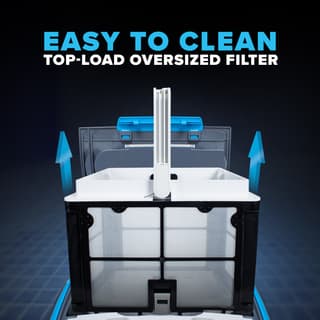
Run and observe a complete cycle, then check how much fine dirt or larger debris reached the filter. Rinse it after early runs and adjust frequency based on the actual load. The small-pool guide covers the broader shortlist, while the timer guide explains scheduling without assuming every model has the same controls.