The Short Answer
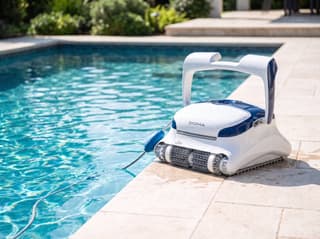
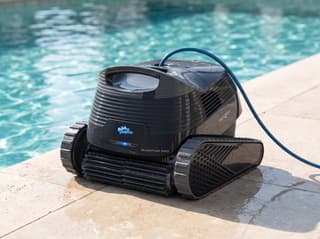
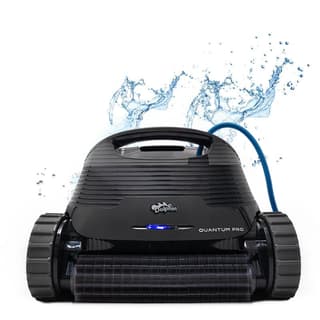
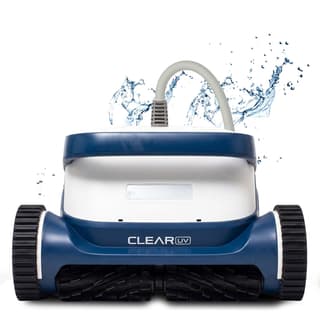
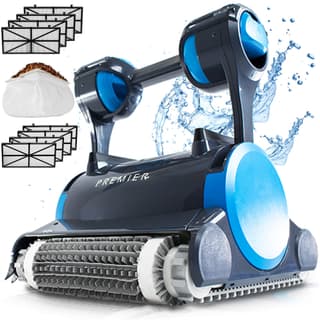
Use a robot for hair and dirt that settle; use the skimmer or a hand net for material still floating. A model with accessible fine-filter media can help with smaller settled material, but filter performance depends on the installed media and regular rinsing. Make sure what is included with the exact product.
Choose for the Pool as Well as the Dog
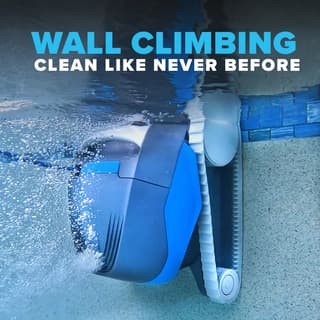
First make sure length, pool type, and whether you need floor-only, wall, or waterline coverage. Then compare how easily the basket or cartridges can be removed and cleaned. Hair can wrap around brushes or an intake, so convenient inspection matters as much as nominal capacity.
A Practical Swim-Day Routine
- Brush loose fur before swimming when practical, then skim visible floating hair.
- Run the robot after swimmers are out and debris has had time to settle, following the model instructions.
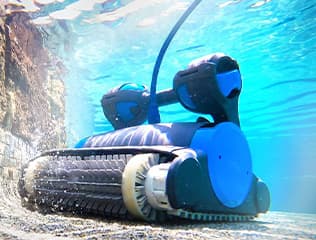
- Remove hair from brushes, tracks, intake openings, and the filter after the cycle.
- Test and maintain water chemistry based on measured results; the robot does not sanitize the water.
Know the Limitations
No underwater cleaner captures every strand before it reaches a skimmer, drain, or main filter. It also may miss shallow steps where a dog enters. Brush those areas toward the main floor and clean the circulation system according to its pressure and maintenance guidance. See the fine-debris guide and pet-hair guide for more targeted filter checks.