Where the Robot Turns Back, and Why
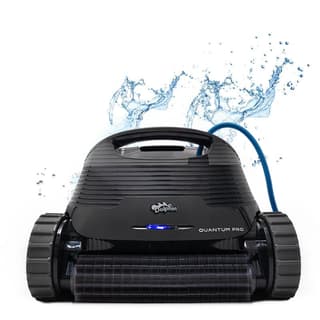
A robot stays on the floor because it is underwater and pulling water through itself. As it climbs a beach entry the water above it thins. At some point either its sensing tells it to turn, or it starts to break the surface. A robot that breaks the surface can pull air into its intake, and one that draws air will stop until it is put back in deeper water and restarted.
Where that point falls depends on the robot, the pitch of the slope and your water level, which is why nobody publishes a single figure. A steep entry gives a short uncleaned strip; a long, gentle one gives a wide strip. If your robot regularly strands itself, check the manual and talk to our team before assuming it is faulty.
Cleaning the Top of the Entry by Hand
The stretch the robot leaves is shallow, easy to reach and quick to do.
- Brush the wet part of the slope downhill, toward deeper water, just before a cycle. The robot collects what you push within its reach.
- Hose the dry and barely wet top edge away from the pool where you can, so deck sand goes to a drain or the garden instead of the water.
- A waterline mark forms where the water meets the slope. Wipe it by hand; no robot here scrubs a waterline that lies on a ramp.
Running a Robot in a Beach-Entry Pool
- Start the robot in the deep or middle section, not on the slope, so it begins its cycle fully submerged.
- Watch the first two cycles and note where it turns back on the entry. That line tells you how much to brush.
- Top up the water before a cycle if the level is low; a lower level means an earlier turnaround.
- Turn off bubblers or deck jets on the entry while the robot runs, and rinse fine filter panels after every cycle in sandy weeks.