
Which Aggregate Finish Do You Have?
The name on your builder's invoice matters less than how the surface feels. Branded pebble finishes such as Pebble Tec belong to the exposed family. These are the four broad types and what each asks of a robot.
- Exposed aggregate: stones stand above the cement. The roughest finish, the best at hiding dirt and the hardest on brushes. Buy for brush count.
- Polished aggregate: ground flat after it is applied. Smooth like plaster, easy on brushes, quick to show dust. Buy for fine filtration.
- Quartz blends: fine quartz in plaster. Slightly gritty to the touch, and close to plaster in how a robot treats it.
- Glass-bead blends: small rounded beads. Smoother than pebble, with shallow texture that still holds silt.
Brush Wear on Rough Finishes
Brushes are wear parts on any pool, and exposed aggregate shortens their life. We will not put a number of months on it, because it depends on how rough the stone is, how often the robot runs and how long each cycle lasts.
Look at the brushes when you rinse the filter. Fins that have gone flat, shiny or uneven have stopped scrubbing and started skating. You will usually notice it first as dirt left in the texture or a robot that struggles on walls. Replace them then, not at the end of the season. Polished and bead finishes are much kinder, with brush life close to what you would see on plaster.
Dust, Texture and New Finishes
Textured floors release dirt slowly. A first pass loosens dust the brushes reach, some of it settles back into the gaps, and the next cycle collects more. That is why regular scheduled cycles do more for an aggregate pool than one long clean, and why ultra-fine filters matter: without them the finest dust goes straight back into the water.
A new or resurfaced aggregate pool is a special case. The finish sheds material while it cures, and your builder will have a start-up routine of brushing and water balancing. Keep the robot out until the builder says the surface is ready.
Getting a Cleaner Aggregate Floor
- Run NanoFilters or other ultra-fine media once large debris is out, and rinse them after each cycle while the pool is dusty.
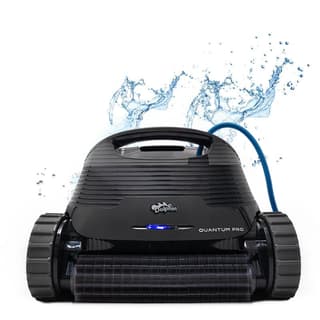
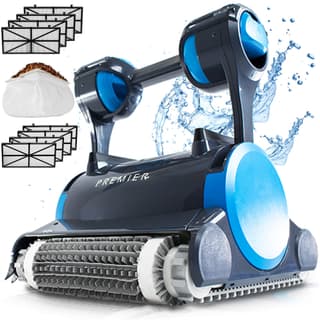
- Schedule frequent cycles. Every 2 days is a good start on the Quantum or Premier timers; adjust from what the filter collects.
- Check brushes for flattened or shiny fins each time you clean the filter, and more often on exposed stone.
- Brush steps and tight corners by hand weekly, since texture there holds algae a robot may not reach.