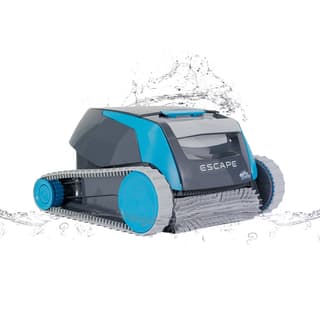
Start With Pool Type and Liner Condition
Inground and above-ground liner pools can require different cable lengths, coverage patterns, and handling weights. Use only a model whose current documentation approves both the pool type and liner. Soft contact materials can reduce risk, but loose seams, brittle areas, patches, wrinkles, and protruding fittings still need inspection.
We sort through pool size, debris, coverage, filters, and everyday upkeep so you can spend less time researching and more time swimming.
Recommended Models
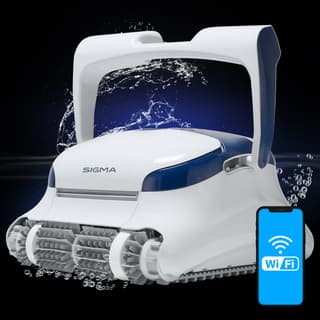
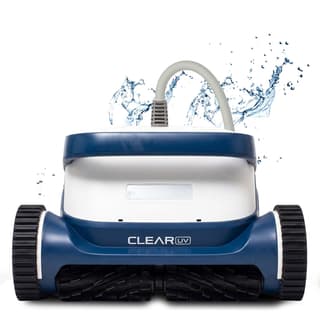
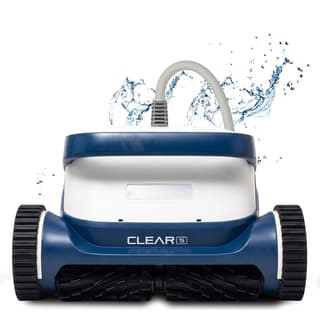
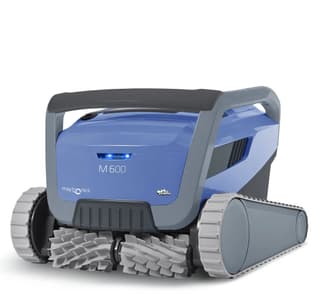
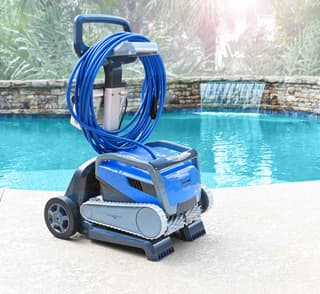
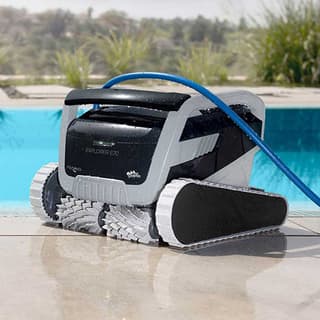
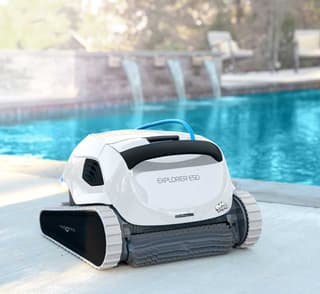
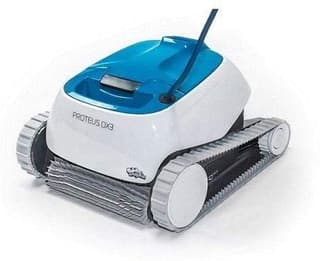
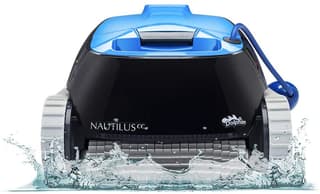
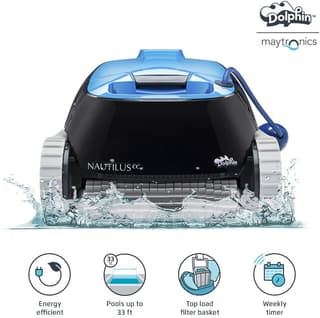
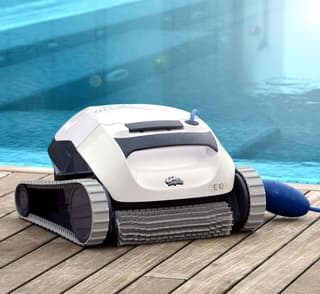
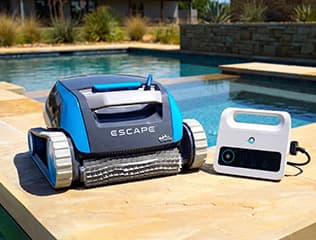
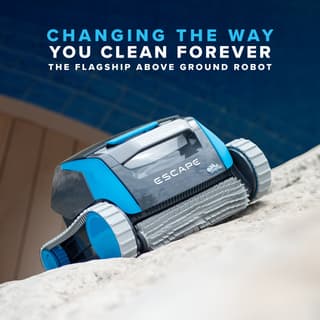
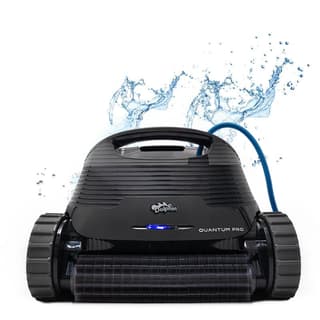
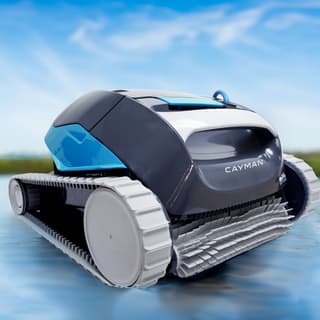
The Quantum and Cayman are candidates for compatible inground liner pools; the Escape and E10 are lighter, floor-focused comparisons for many above-ground liner pools. Do not infer compatibility from this grouping alone—check the current manual for the exact model and see our vinyl pools guide.
Protecting an Aging Liner
- An aging or brittle liner may not be suitable for powered cleaning; ask the liner maker or installer if its condition is uncertain.
- Remove organic debris promptly—see cleaners for leaves—because some material can discolor vinyl.
- Repair loose or lifting sections before use, and monitor the first cycle around seams, drains, ladders, and coves.
Coverage pros and cons and Care
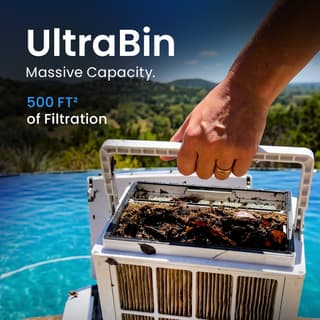
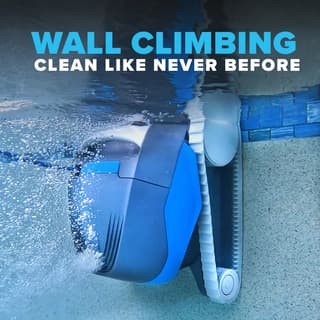
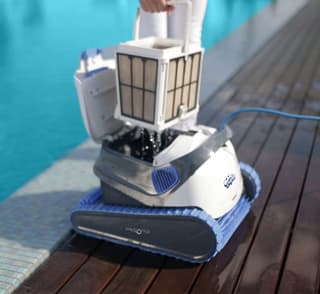
A wall-climbing model can reduce brushing but adds contact with vertical seams; a floor-focused model is lighter and simpler but leaves walls for manual care. Empty and rinse the filter, clear wrapped debris, and inspect brushes and tracks for damage or trapped grit after use.