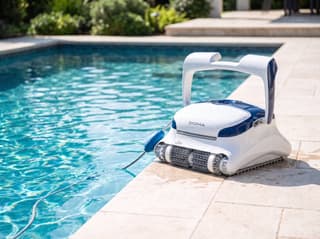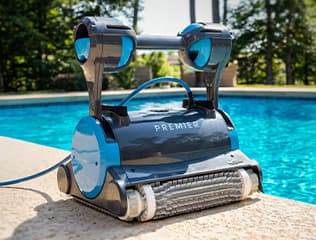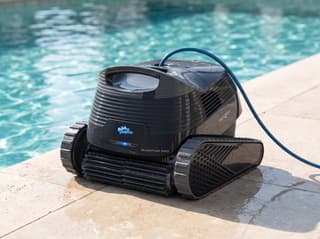
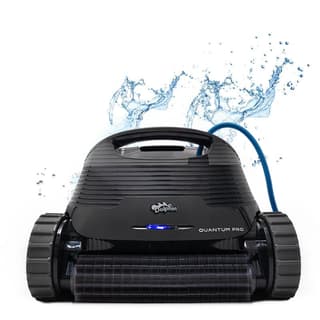
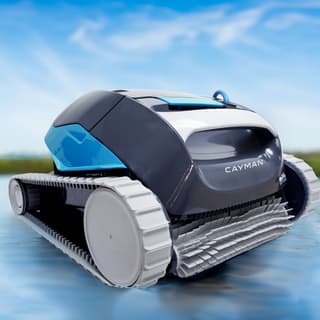
Use a Robot for the Last Thin Layer
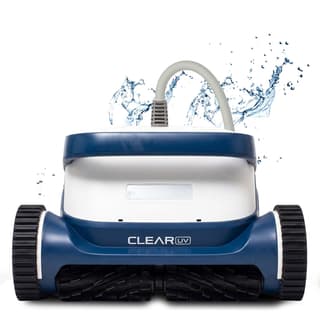
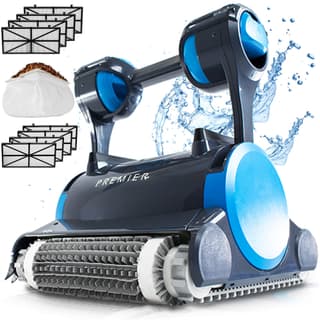
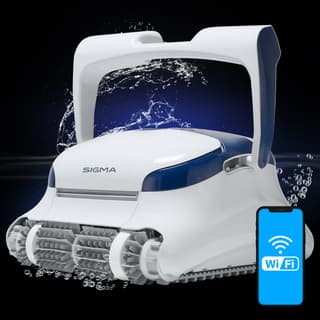
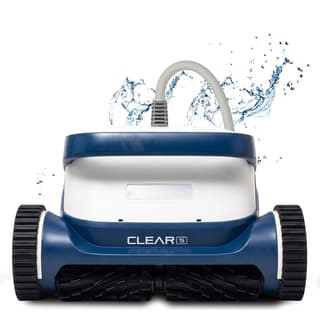
Do not send a robotic cleaner into thick mud or a pool full of storm debris. First stop the runoff source where practical, net out leaves and sticks, and remove heavy deposits with an appropriate manual method. A robot is better suited to the thin film that remains after the bulk material is gone.
Mud contains particles of different sizes. Standard media may hold coarser soil, while compatible fine media can help with the later silt-like residue. Neither option guarantees a single-pass cleanup, and both can lose flow when packed.
Stage the Post-Storm Cleanup
- Remove floating debris, branches, and dense sediment before using the cleaner.
- Follow pool-care guidance on circulation or settling; do not turn equipment off merely to speed settling unless directed.
- Run a supervised cycle over the thin settled film, then rinse the filter before mud dries in it.
- Test water separately because runoff may change chemistry in ways a robot cannot detect or correct.
Prevent Repeat Loads
Recurring mud usually needs drainage, landscaping, cover, or deck-runoff changes rather than a different robot. Compare the silt and fine-dirt guides for the remaining residue, and use the algae guide if growth appears.
After cleanup, inspect seals, brushes, and accessible intake areas with power disconnected. The maintenance guide covers routine filter and cable care.